Contents
- What Kazakh hospitality means — and why it runs so deep
- Arriving as a guest: shoes, gifts and greetings
- The dastarkhan explained
- Where you sit — the tor and the seat of honour
- Bread and food taboos every guest should know
- Yurt and home customs to know
- The sheep’s head ritual, step by step
- Tea and piala etiquette
- Toasts, kumys and drinking customs
- The bata — the blessing that closes the meal
- Konak kade — when the guest sings for their supper
- Does Kazakh hospitality still exist in modern cities?
- Dos and don’ts — a quick checklist
- How to thank and reciprocate
- Frequently asked questions
- Final thoughts
Picture this: you’ve been travelling all day, a family you barely know has insisted you come in, and now you’re seated at the far end of a low table groaning with food, and someone slides a platter toward you with a whole boiled sheep’s head on it — pointed, politely, in your direction. This is a moment that undoes a lot of visitors. It shouldn’t. It’s the highest compliment a Kazakh host can pay you — Kazakh hospitality runs that deep — and knowing what to do turns panic into one of the warmest experiences of your trip.
Kazakh hospitality treats a guest as a blessing sent by God, to be fed and honoured whether invited or not. The table — the dastarkhan — is a lavish spread governed by gentle rules: sit where you’re placed, treat bread as sacred, accept a little of everything, and if you’re the guest of honour offered the sheep’s head, taste a small piece and share the rest. Get the spirit right and you can’t go far wrong.

What Kazakh hospitality means — and why it runs so deep
Hospitality as a sacred duty
In Kazakh, the value is qonaqjaylylyq — hospitality — and it’s not mere politeness. A guest is treated as a kind of blessing, almost a messenger from God, and welcoming one generously is close to a sacred obligation. There’s a saying, “Qonaq keldi, yrys keldi” — “a guest has come, good fortune has come.” When a Kazakh family feeds you, they’re not just being nice; they’re honouring a value at the core of who they are.
The nomadic roots
This runs so deep because the steppe made it essential. In a vast, harsh landscape, a traveller who was turned away could die, so a code developed in which any household owed food and shelter to any guest — invited, uninvited, or a total stranger. That duty had teeth: historically, a host who refused a guest could be reported to the elders and fined. Out of survival grew one of the most generous hospitality cultures on earth, and it’s very much alive, part of the wider fabric of Kazakh culture.

Qonaqasy: the meal owed to a guest
The specific duty of feeding a guest has its own name: qonaqasy, the meal offered to any visitor. Tradition even distinguishes kinds of guest — the specially invited (arnayy qonaq), the chance stranger or “God’s guest” (qudayy qonaq), and the unexpected drop-in (qydyrma qonaq) — and all of them are owed a proper table. As a travelling foreigner, you may well find yourself the “God’s guest,” welcomed simply because you appeared. It’s genuinely common for travellers here to be invited in for tea by people they’ve only just met, offered a bed by a family they asked for directions, or fed far beyond what they could ever eat — and to be told, sincerely, that the honour is the host’s. Learning to receive that generosity gracefully, rather than protesting or trying to pay, is part of travelling well in Kazakhstan.
Arriving as a guest: shoes, gifts and greetings
Take your shoes off
At the door of a home, take your shoes off unless clearly told otherwise — homes and yurts are kept clean for sitting and eating on the floor or low furniture, and shoes stay at the threshold. Follow your host’s lead and you’ll be fine.
Bring a small gift
Never arrive empty-handed if you can help it. A box of sweets or pastries, chocolates, or something small from your home country all go down well; flowers for the hostess work too (in odd numbers — even numbers are for funerals). Avoid sharp objects like knives as gifts, which can symbolise cutting a relationship. It’s the gesture that matters, not the expense.
Greetings and elders
Greet the eldest people first and with a little extra deference — respect for elders is fundamental here. Men often shake hands (sometimes with both hands, or a hand over the heart); be a touch more reserved greeting the opposite sex unless they lead. Address elders with honorifics rather than first names alone. A warm, respectful hello to the oldest person in the room sets the right tone for everything that follows. Titles help too: aga for an older man, apa or azhe for an older woman, are affectionate and respectful ways to address your hosts if you pick them up.
The dastarkhan explained
The dastarkhan is both the cloth or low table and the spread laid upon it, and a Kazakh one is a statement of abundance. It appears loaded from the start and only grows. There’s a rough order to it: often first bowls of kumis, shubat or ayran, then tea poured with baursak, dried fruit, kurt and the bazaar snacks and sweets of the region, and then the hot dishes building to the centrepiece — usually beshbarmak. Nothing about it is minimalist; a groaning table is the whole point, a visible sign that the guest is valued. To know what you’re actually looking at, our guides to Kazakh food and drink, the traditional dishes, and the cured horse-meat platters that grace a feast are all worth a look.

Where you sit — the tor and the seat of honour
Seating isn’t random. The place of honour, the tor, is the spot farthest from the door, and it’s reserved for the eldest or most respected person — sometimes that’s the guest. Don’t just plonk yourself down; wait to be shown your seat, and if you’re placed at the tor, accept it graciously (it’s an honour, not a trap). Lower-status and younger people sit nearer the door, ready to help serve. Reading the room and letting your host seat you is the single easiest way to get the etiquette right.
Bread and food taboos every guest should know
Bread is close to sacred
Treat bread — nan, and the fried baursak — with real respect. Don’t place a loaf upside down, don’t drop baursak on the floor, never step over or on bread, and don’t waste it. Serving bread is itself an act of respect, and mishandling it reads as careless at best. When in doubt, handle bread gently and with two hands.
Don’t refuse outright — taste a little
Flatly refusing food can disappoint a host who has gone to great lengths. Even if you’re full or unsure, take a little and taste it. You’re not obliged to finish everything, and it’s fine to leave organ meats or things that aren’t for you, but the gesture of trying matters enormously.
Leaving a little on your plate
Here’s a counterintuitive one: leaving a small amount on your plate signals “I’ve had enough, thank you.” An entirely empty plate can be read as “still hungry — bring more,” and more will duly arrive. To gently stop the flow of tea, turn your bowl over or place a hand over it. These small signals save you from being fed into a happy stupor.
Yurt and home customs to know
A handful of spatial customs will keep you on the right side of good manners inside a home or yurt. Don’t step on the threshold or sit in the doorway — the threshold carries symbolic weight and blocking it is poor form. When you sit on the floor, don’t stretch your legs out or point the soles of your feet at people or the food; tuck them to the side or sit cross-legged. Don’t turn your back on elders or on the tor. Wait for the host and the eldest to begin before you eat, and don’t reach across others for a dish — ask for it to be passed. If water is poured over your hands to wash before the meal (a traditional courtesy), don’t shake the drops off vigorously; that carries a mild superstition of its own. None of this is a minefield — watch your hosts, mirror them, and you’ll be absolutely fine.
The sheep’s head ritual, step by step
Why the head is the highest honour
At a formal feast, a boiled sheep’s head (bas) presented to a guest is the summit of Kazakh hospitality — a way of saying you are the most honoured person at the table. It’s not a joke at your expense or a test to trip you up; it’s genuine respect, and it deserves a gracious response rather than horror.
What the parts mean
The head is shared symbolically. The core meanings you’ll hear most: an ear is often given to a child or younger person, so they’ll listen and obey; the tongue to a young person, for eloquence; and an eye to a special guest, “one who should see far” (traditionally never split between two people, lest they quarrel). Other parts — cheek, palate — are distributed among the table. The exact assignments vary by region and family, so don’t worry about memorising a chart; the principle is that the honoured guest shares the head out.
If you’re the guest of honour
Here’s your playbook. Accept the platter graciously. With the knife provided, cut a small piece of cheek meat and, traditionally, an ear, and eat a little to honour the offer. Then carve or break off pieces and share them around the table — offering the ear to a younger person, distributing other bits to those present — before passing the platter on. You don’t need to perform the whole ritual flawlessly; making a genuine, warm, good-humoured attempt is exactly what your hosts hope for, and someone will usually guide you through it, often with a laugh and obvious delight that you’re joining in.

If you’d rather not
If the head is genuinely too much, you can still be gracious. Accept the platter, touch the knife to it, taste a very small piece if you possibly can, thank your host warmly, and ask an elder or the host to help distribute the parts — deferring to them is itself respectful. A polite, appreciative “you honour me, please share it among the family” is far better than visible revulsion. Hosts understand foreign guests, and warmth covers a multitude of missteps.
Tea and piala etiquette
Tea runs through the whole meal, and it has its own quiet rules. It’s served in a small handle-less bowl, a piala or kese, and — this surprises everyone — poured only part-full, never to the brim. That’s hospitality, not stinginess: a little tea stays hot and means your host refills you often, and each refill is a small kindness. A brim-full bowl can hint it’s time to leave. The woman of the house usually pours, elders and guests are served first, and you signal you’re done by turning your bowl over or a hand across it. We go deeper on this in our guide to Kazakh drinks and the tea ritual.
Toasts, kumys and drinking customs
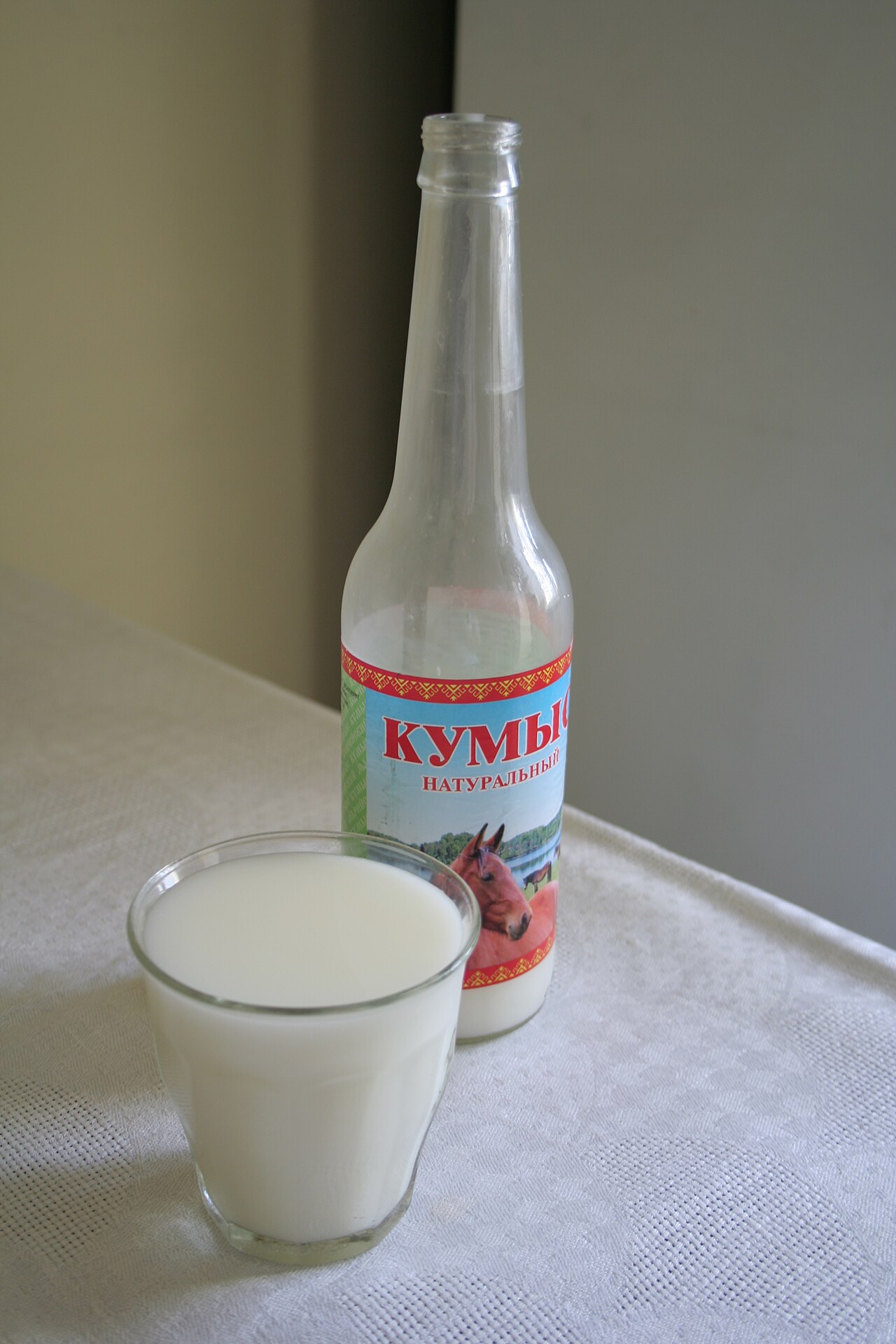
At celebrations, expect toasts — often heartfelt and surprisingly eloquent — and the passing of kumys (fermented mare’s milk) or, these days, vodka and cognac. A few pointers: the young shouldn’t drink before their elders, toasts are taken seriously (it’s polite to listen and to offer one if invited), and even if you don’t love kumys, a sip to honour the offer goes a long way. If you don’t drink alcohol, a warm explanation is usually accepted without fuss; nobody wants to make a guest uncomfortable.
The bata — the blessing that closes the meal
Meals often end with a bata, a spoken blessing given by the eldest person present — a short, sometimes poetic wish for prosperity and thanks for the food. Everyone cups both hands, palms up, then draws them down over the face at the end (a gesture you’ll recognise as “amen”). Just follow along: cup your hands, be still and respectful, and mirror the closing sweep over the face. It’s a lovely, quietly moving way to end a meal.
Konak kade — when the guest sings for their supper
One charming tradition can catch you off guard: konak kade, the host’s playful right to ask a guest to contribute something — a song, a poem, a story, a toast. It’s not a performance review; it’s an invitation to join in. Have something small ready — a song from home, a few words of thanks, a story about your journey — and offer it with good humour. Rising to it, however imperfectly, delights everyone.
Does Kazakh hospitality still exist in modern cities?
Very much so, though it wears modern clothes. In Almaty and Astana you’ll meet it as a dinner invitation to an apartment, a colleague insisting on paying, a near-stranger walking you to where you’re going rather than just pointing. The full ceremonial version — the yurt, the sheep’s head, the bata — is more likely at a village celebration, a wedding or a Nauryz gathering than at a weekday city dinner, but the underlying instinct to feed and look after a guest is completely intact across generations. Younger, urban Kazakhs may be more relaxed about the formal rules, but they’re often even keener to show a visitor a good time. If anything, being a foreign guest supercharges the welcome — you become a point of pride, someone to be shown the very best of the culture.
Dos and don’ts — a quick checklist
- Do take a gift, remove your shoes, greet elders first, and wait to be seated.
- Do taste a little of everything and treat bread with respect.
- Do accept the sheep’s head graciously if offered, taste a piece, and share it out.
- Don’t take the seat of honour uninvited, refuse food flatly, or waste bread.
- Don’t point your feet at people or the food, step over anyone, or start eating before the host and elders.
- Don’t over-fill your own tea bowl or drink before your elders at a toast.
How to thank and reciprocate
You don’t need to repay hospitality in kind, but small gestures land well: a sincere thank-you, praise for the food and the cook, a photo you promise to send (and actually send), a modest gift, or an offer to host them should they ever visit you. Learning to say “rakhmet” (thank you) earns real smiles. The deepest thanks, though, is simply to receive the welcome graciously — to eat well, join in, and let your hosts see that their generosity landed. That’s the whole exchange, and it’s a beautiful one. And if you ever do get the chance to host a Kazakh friend in return, you’ll understand the impulse from the inside — the deep satisfaction of feeding someone well is exactly what drives the whole tradition.
Frequently asked questions
What does dastarkhan mean?
Dastarkhan refers both to the cloth or low table a Kazakh meal is served on and to the lavish spread of food itself — bread, baursak, sweets, dried fruit, salads, cured meats and hot dishes. A generous dastarkhan is the physical expression of hospitality, signalling that the guest is valued.
Why is the sheep’s head given to the guest of honour?
Presenting a boiled sheep’s head (bas) is the highest honour a Kazakh host can offer, a way of marking the guest as the most respected person at the table. The honoured guest tastes a small piece and then shares symbolic parts — an ear, cheek, tongue — among those present before the meal continues.
What should I do if I’m offered the sheep’s head?
Accept it graciously. Cut and taste a small piece of cheek meat and, traditionally, an ear, then share the other parts around the table before passing the platter on. If you truly can’t eat it, still accept the platter, thank your host warmly, and ask an elder to help distribute the parts. A genuine, good-humoured attempt is what matters.
Why is Kazakh tea served in a half-full bowl?
It’s a sign of care, not meanness. A small pour keeps the tea hot and means the host refills your piala often, each refill an act of hospitality. A brim-full bowl can even signal that it’s time for the guest to leave. Turn your bowl over when you’ve had enough.
What should I bring when visiting a Kazakh home?
A small gift — sweets, pastries, chocolates, or something from your home country; flowers for the hostess in odd numbers. Avoid knives or sharp objects, which symbolise cutting ties. The gesture matters more than the value, and arriving empty-handed is best avoided.
Is it rude to refuse food in Kazakhstan?
Refusing outright can disappoint a host who has gone to real effort. Instead, take a little and taste it, even if you’re full or unsure — you needn’t finish everything, and leaving a small amount signals you’ve had enough. Tasting to honour the offer is the gracious middle path.
Final thoughts
Kazakh hospitality is one of the great experiences of travelling here — generous, sincere, and rooted in a code as old as the steppe. You don’t need to master every custom; you need to show up warm, respectful and willing to join in. Take your shoes off, greet the elders, taste what you’re given, treat the bread kindly, and if that sheep’s head comes your way, smile, accept the honour, and share it around. Do that, and a family you met an hour ago will send you off feeling like one of their own. That, more than any monument, is the Kazakhstan people remember.
Photo credits
- Yurt interior set for guests — Nurken, CC BY-SA 4.0, via Wikimedia Commons
- Baursak with tea — Vidor, public domain, via Wikimedia Commons
- Beshbarmak on a communal platter — upyernoz from Haverford, USA, CC BY 2.0, via Wikimedia Commons