Category: Almaty

  • Things to Do in Almaty, Kazakhstan: 28 Essential Experiences

    Things to Do in Almaty, Kazakhstan: 28 Essential Experiences

    Last updated: June 7, 2026 · Written by the Kazakhstan Tourism Guide editorial team

    The best things to do in Almaty mix big-city pleasures with absurdly close mountains: graze the Green Bazaar, ride the cable car to Kok Tobe, sweat through the Arasan Baths, stand under the wooden Ascension Cathedral — then be skating at Medeu or 3,000 meters up at Shymbulak within forty minutes of finishing your coffee.

    Almaty's skyline against the snow-capped Tien Shan - the backdrop to all the best things to do in Almaty

    Here’s the thing nobody tells you about Almaty: it’s not a city with mountains nearby. It’s a city physically wedged against a 4,000-meter wall of them, so every south-facing street ends in snow peaks and the entire place tilts uphill — locals give directions in “up” and “down” rather than north and south. Add wide Soviet boulevards under oceans of oak and apple trees, the best café culture between Istanbul and Shanghai, and prices that make you double-check the bill, and you get Central Asia’s most likeable city. I’d happily spend a week here; most visitors give it two days and leave plotting their return.

    This guide covers the city properly — 28 experiences, organized so you can actually build days out of them, plus the neighborhoods, food, seasons and logistics. It’s the city companion to our country-wide guide to the best things to do in Kazakhstan, where Almaty inevitably hogs a third of the list.

    Almaty’s Best Things to Do at a Glance

    Experience Time Cost Best for
    Panfilov Park + Ascension Cathedral 1–2 hrs Free (donation inside) First morning
    Green Bazaar food crawl 2 hrs $5–10 Hungry humans
    Kok Tobe at sunset 2–3 hrs Few dollars for the cable car Views, families
    Arasan Baths session 2–3 hrs ~$10–15 Recovery days
    Medeu + Shymbulak gondola Half day ~$15–25 round trip Everyone
    Metro art crawl 1 hr Pocket change Design nerds
    Abai Opera night 3 hrs From ~$5 Culture on a budget
    Big Almaty Lake Half day ~$10–20 by ride-hail The postcard shot
    Kok Zhailau hike Full day Free Legs that work
    Soviet modernism walk 2 hrs Free Architecture fans

    First, Get Oriented: Almaty in Sixty Seconds

    The city is a grid sloping from the steppe (north, ~600 m) up to the mountains (south, ~1,000 m+). Almost everything in this guide sits in a walkable band between Raiymbek Avenue and Al-Farabi Avenue. The Golden Quarter — roughly between Panfilov Park, the Opera House and Republic Square — is the leafy historic core where you’ll spend most city time. Zhibek Zholy (“Arbat”) is the pedestrian spine; Dostyk Avenue is the polished strip of hotels and cafés running uphill; the Medeu district at the city’s top edge is where the gondola leaves for the mountains. Pick accommodation in or near the Golden Quarter and you’ve solved the city — our where to stay guides break down areas and hotels in detail.

    The Classics: Almaty’s Essential Sights

    1. Panfilov Park and the 28 Guardsmen Memorial

    The black granite Soviet war memorial in Almaty's Panfilov Park

    Start where Almaty starts. Panfilov Park is the city’s ceremonial heart, named for the 28 soldiers of Almaty’s 316th Rifle Division mythologized for halting German tanks outside Moscow in 1941. The memorial is Soviet sculpture at full volume — black granite soldiers exploding out of a map of the USSR toward you, an eternal flame guarded by bored teenagers on honor duty, wedding parties queuing for photos. Come at opening time when the only sounds are sprinklers and magpies, then again in the evening when half the neighborhood promenades through.

    2. The Ascension Cathedral (Zenkov’s wooden miracle)

    The candy-colored wooden Ascension Cathedral in Panfilov Park, Almaty

    In the middle of the park stands a 56-meter Russian Orthodox cathedral built in 1907 from Tien Shan spruce — by most accounts among the tallest wooden buildings on Earth, and famously constructed (mostly) without nails. When a magnitude-something-terrible earthquake leveled Almaty in 1911, the cathedral rode it out; engineer Andrei Zenkov’s flexible timber frame became local legend. The 2017–2020 restoration returned the exterior to full candy-box glory — mint, gold, raspberry — and the inside, all painted vaults and gilt iconostasis, is open daily and free (cover shoulders/knees; headscarves available at the door). It might be the single most photographed object in Kazakhstan, and it earns it.

    3. Graze the Green Bazaar

    Produce and spice stalls inside Almaty's Green Bazaar

    Two blocks north, the Green Bazaar is the city’s stomach and its best free museum. Ground floor: pyramids of dried apricots, ten kinds of honey with tasting sticks, kurt (salty cheese balls that divide humanity into two camps), the horse-meat row where vendors slice kazy sausage samples off the knife, and in autumn, the giant crimson Aport apples that made the city’s name. Upstairs: Korean aunties selling spicy carrot salad and kimchi by the kilo — living history of the 1937 Korean deportations that gave Almaty its beloved Koryo-saram food culture. Go hungry before noon, bring small notes, accept every sample, and read our food & drink guides for what everything actually is.

    4. Ride up Kok Tobe (and meet the Beatles)

    The Kok Tobe cable car climbing above Almaty's rooftops

    The 1,100-meter hill rising behind the city center is Almaty’s pleasure mountain: a slightly retro funfair, shashlik smoke, a mini-zoo I’d skip, and the city’s definitive viewing balcony. The six-minute cable car from Dostyk Avenue (a few dollars each way) floats over courtyards and rooftops and is half the fun. At the top: the only Beatles monument in Central Asia — a bronze bench where John, Paul, George and Ringo have been photographed with approximately every resident of Kazakhstan — plus paths, swings, and that view. Time it for golden hour and watch the grid light up against the dark mass of the steppe.

    Five Minutes of History (It Helps)

    Almaty’s biography explains its face. The Russian Empire planted Fort Verny here in 1854 among Kazakh settlements and apple forests; earthquakes flattened the town in 1887 and again in 1911 — which is why the showpiece cathedral is built of flexible wood and why the city’s planners became obsessed with parks and wide streets as firebreaks and refuge. Soviet rule renamed it Alma-Ata, made it capital of the Kazakh SSR in 1929, and filled it with the institutes, opera houses and monumental architecture you’ll be photographing all week. The capital moved north to Astana in 1997, and Almaty exhaled: relieved of ministries, it doubled down on being the country’s cultural, commercial and culinary engine. What you walk through today is that layered city — tsarist wood, Soviet concrete, glass towers, and orchard genetics in the street trees — with the mountains supervising all of it.

    5. Steam, freeze, repeat at the Arasan Baths

    Almaty’s 1982 bath palace is peak Soviet wellness: a brutalist complex of concrete domes housing a Russian parilka, Finnish sauna, Turkish-Moroccan hammam and an ice pool, all gloriously unreformed in spirit. The protocol — bake until your thoughts evaporate, get thrashed with birch branches (order veniki, it’s a massage, it’s wonderful), plunge, drink tea in a robe, repeat — costs around $10–15 for a couple of hours and will reset any jetlag known to science. Men’s and women’s sections are separate, swimsuits optional-to-absent, and nobody cares; commit to the bit. There is no better second-day-in-Almaty activity.

    6. The Central Mosque

    Golden dome and minarets of Almaty Central Mosque

    Almaty’s main mosque — white marble, gold dome, blue trim, room for several thousand — anchors the city’s Muslim life a short walk from the bazaar. Built in 1999, it’s serene rather than spectacular, which is exactly its charm: this is a working space, not a monument. Visitors are welcome outside the five prayer times; dress modestly (scarves at the entrance for women, shoes off, photography fine without pointing lenses at worshippers). Pair it with the bazaar for a morning that covers the city’s parallel souls.

    7. Republic Square and the Independence Monument

    The vast parade square uphill hosts the Golden Warrior column — a replica of the Saka ‘Golden Man’ armor on a winged snow leopard, Kazakhstan’s national symbol — flanked by bronze reliefs walking through the nation’s history from Saka queens to 1991. The square earned heavier meaning after the January 2022 unrest centered here; locals don’t dwell on it with strangers, and neither should a guidebook. Come for the monument, the mountain backdrop down Baiseitova Street, and the city’s best people-watching on summer evenings.

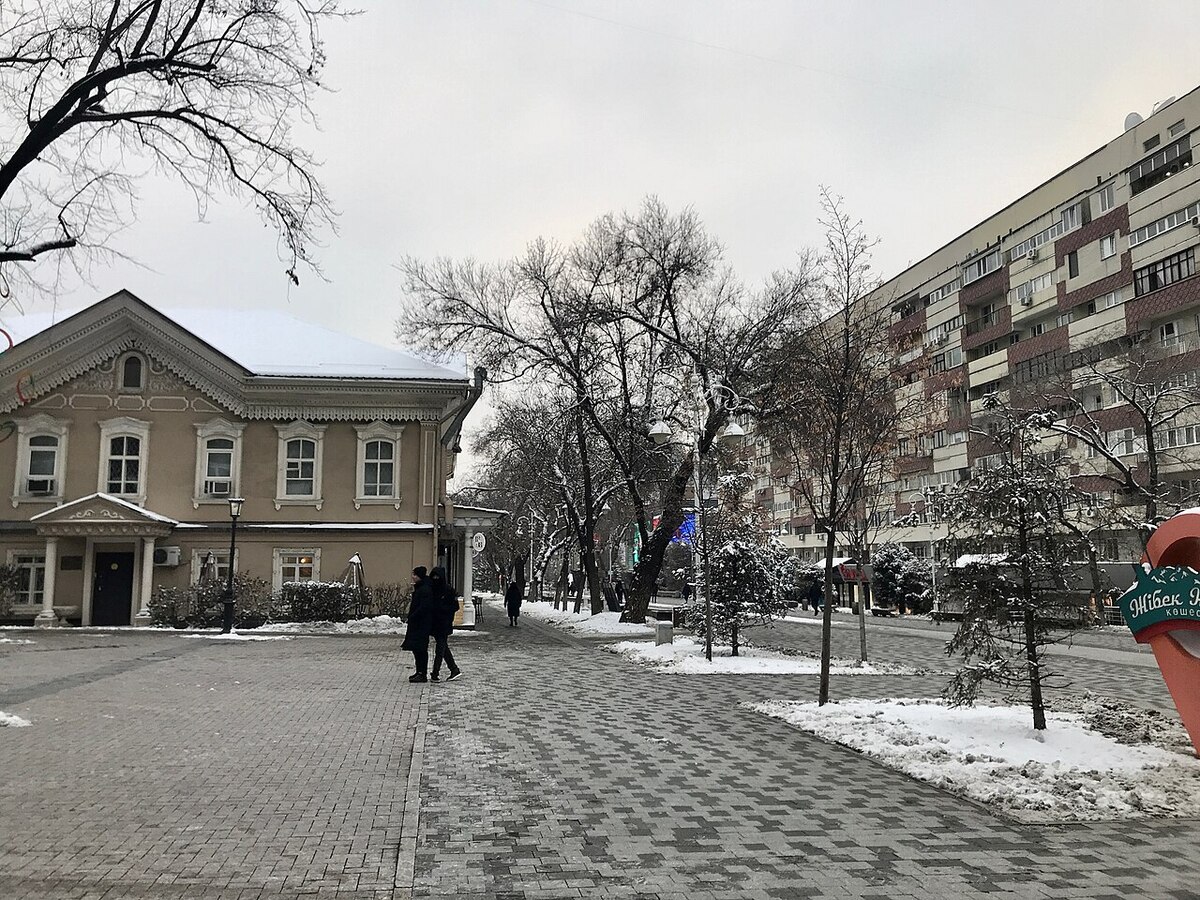
    8. Stroll Zhibek Zholy, the Almaty Arbat

    The pedestrianized stretch of Zhibek Zholy (‘Silk Road’) street is the city’s catwalk: buskers, caricature artists, teenagers in startling fashion, grandmothers selling sunflower seeds, and a solid kilometer of cafés. It links the bazaar end of town to the TsUM department store — itself a time capsule worth ten minutes for the souvenir floor. Detour one block for the Baursak stand debate (you’ll find it) and watch an entire city promenade do its thing.

    Culture Indoors: Museums and a $5 Opera

    9. Central State Museum

    Kazakhstan’s main historical museum is the efficient way to make the whole country make sense: Bronze Age petroglyph casts, Saka gold (including Golden Man replicas you can actually study), a full-dress yurt you can enter, and the Soviet-to-independence floors that explain every statue you’ve been photographing. Two hours, a couple of dollars, surprisingly good English labeling in the key halls.

    10. Kasteyev Museum of Arts

    The national art collection runs from icons through Soviet-Kazakh painting — the steppe rendered in heroic socialist color — to contemporary work. The Kasteyev rooms (he’s the national painter the museum is named for) are the draw: herds, mountains and collectivization-era optimism that doubles as a history lesson. Quiet, cheap, air-conditioned: the perfect 40°C-afternoon move.

    11. The Museum of Folk Musical Instruments

    Housed in a gorgeous 1908 wooden building by the same Zenkov of cathedral fame, this small museum holds dombras of every ancestor, horsehair kobyz fiddles (played by shamans, allegedly to speak with spirits), and listening stations so the cases actually sing. Thirty excellent minutes, and the building alone justifies the detour through Panfilov Park’s corner.

    12. A night at the Abai Opera

    Neoclassical facade of the Abai Opera House in Almaty

    Almaty’s 1941 opera house does Verdi, Tchaikovsky and Kazakh national opera (catch ‘Abai’ or ‘Kyz Zhibek’ if the calendar cooperates) in a gilded hall where tickets start around the price of a fancy coffee. Dress up a little, buy the cheap seats, drink champagne at intermission like everyone else. It is the single best value night of culture in Central Asia and possibly anywhere.

    The Underrated Almaty: What Other Guides Skim

    13. Ride the metro as a gallery

    Ornate platform of an Almaty metro station

    Almaty’s metro — one line, deep, immaculate — opened in 2011 and was clearly built by people who’d studied Moscow’s palaces. Zhibek Zholy station drips with golden Silk Road mosaics; Auezov Theatre has a ceiling worth missing your train for; Baikonur station is a space-age set piece with cosmonaut portholes. A ride costs pocket change; do the full line end to end (about 25 minutes) and treat every platform as a room in a museum.

    14. Hunt Soviet modernism

    Soviet-modernist Hotel Kazakhstan tower with its golden crown, Almaty

    Architecture people: Almaty is your theme park. The crown-topped Hotel Kazakhstan tower (1977, built to flex earthquake engineering), the flying-saucer circus, the Academy of Sciences’ grand ensemble, the Wedding Palace’s concrete romance, and mosaics hiding on apartment gables across the center. The Medeu-facing facade of the Kazakhstan Hotel at dusk, peaks behind, is the city’s defining architectural photograph. We map a full self-guided walk in our culture & experiences section.

    15. Do the coffee crawl

    Almaty quietly built one of Asia’s best specialty-coffee scenes — roasters, flat whites and laptop-friendly rooms thick on the ground between Dostyk and Seifullin. The local chains hold their own against anywhere; the indie roasteries beat most of Europe on quality-per-dollar. Order a raf (the post-Soviet vanilla-cream espresso drink that deserves world domination) and judge for yourself. Digital nomads: yes, the wifi is fast; see our practical guides for the remote-work picture.

    16. Eat the Korean-Kazakh story

    In 1937 the Soviet state deported ethnic Koreans from the Far East to Central Asia; their descendants — the Koryo-saram — gave Almaty its kuksi noodles, funchoza salads and the carrot salad now on every dastarkhan in the country. Eat it at bazaar counters and Korean restaurants across the center: history you can order by the bowl, and some of the best food in the city.

    17. Taste an Aport apple where apples began

    Giant red Aport apples - Almaty's namesake fruit

    Genetics traces the domestic apple to the wild Malus sieversii forests of these very mountains — Almaty’s old name, Alma-Ata, gets translated as ‘father of apples,’ and the city takes it personally. The local cultivar, the Aport, grows to grapefruit size with a perfume you can smell across a room; September–October bazaar stalls sell them individually wrapped like gifts. Out of season you’ll settle for juice and legend; in season, eating one on a Panfilov Park bench is a small act of pilgrimage.

    18. Green space: Gorky Park to the Botanical Garden

    Gorky Park is the people’s playground — rides, ponds, rollerblades, questionable techno from rental boats — while the Botanical Garden up the hill is its calm sibling, all oak alleys and mountain views, beloved of joggers and courting couples. Families also get the aquarium and amusement zones at Gorky; everyone gets shade in a city that bakes in July.

    Six More City Experiences Worth Your Time

    First President’s Park: the mountain gateway lawn

    At the top of Al-Farabi where the city runs out of city, this vast formal park aims its fountain axis directly at the peaks — the single easiest mountains-behind-you photo in Almaty, no hiking required. Locals come for evening promenades, rollerblading kids, and the bizarre pleasure of watching thunderstorms assemble over the ridge while you stand in sunshine. Pair it with the Esentai district’s glossy cafés for the modern-Almaty contrast to the old quarter’s charm.

    The Wedding Palace and the saucer circus

    Two more Soviet-modernist set pieces deserve their own stop: the Wedding Palace, a swooping concrete romance factory where you’ll likely catch an actual wedding party spilling down the steps on any Friday, and the Kazakh State Circus, a genuine flying saucer parked across the river — still hosting shows, still looking ready for liftoff. Both photograph best in late light, both sit an easy ride from the center, and both prove the city’s architects were having considerably more fun than their era’s reputation suggests.

    Drink the local glass: kvass, wine and craft beer

    Summer corners sprout yellow kvass barrels — the fermented-bread soft drink of every post-Soviet childhood; buy a cup for small change and join a queue that hasn’t changed in fifty years. Upgrades exist: Kazakh wineries from the Assa Valley (the local saperavi and rkatsiteli are genuinely decent) appear on better wine lists, and a small craft-beer scene pours IPAs in bars off Dostyk and Zhibek Zholy. None of it will dethrone Georgia or Prague; all of it beats the price of either.

    Shop for things you’ll actually keep

    Skip the airport fridge magnets. The bazaar sells kurt, dried fruit, honey and felt slippers; TsUM’s top floor concentrates dombra instruments, ceramics and Soviet-kitsch; design shops around the Golden Quarter stock modern takes on nomad motifs — felt bags, shyrdak-pattern cushions, jewelry riffing on Saka gold. The full hit list (and the haggling etiquette, which is gentler than you fear) is in our culture & experiences guides.

    Almaty with kids

    This is an unusually easy city with children: Kok Tobe’s funfair and mini-zoo corner, paddleboats and rides in Gorky Park, the aquarium, the circus on weekends, instant-win cable cars, and an entire population that treats kids as public property in the best way. Cafés default to family-friendly, distances are short, and when energy fails, the metro ride itself works as an attraction. Winter adds Medeu skating, where toddlers on penguin frames outnumber adults some mornings.

    Catch match-day or a hockey night

    Sports fans get two cheap thrills: Kairat Almaty football at Central Stadium (the 2024–25 Champions League run made the whole city briefly insufferable, tickets remain a few dollars) and winter ice hockey, where the local game runs deep — this is, after all, a city that built the world’s fastest ice. Check fixtures, buy at the gate, learn one chant.

    Into the Mountains: The City’s Back Garden

    This is Almaty’s superpower: real alpine terrain on the city bus network. Everything below is reachable within an hour of the center — for the bigger expeditions (Charyn, Kolsai and company), see the day-trips section further down and our dedicated day trip guides.

    19. Medeu: the rink in the sky

    The Medeu valley (1,691 m) holds the world’s highest Olympic-size outdoor ice rink, a 10,500 m² sheet where Soviet skaters broke records by the hundred — altitude-thin air plus glacier water made famously fast ice. From late October to March-ish, skating laps here under floodlights with peaks looming overhead is the city’s signature winter joy (a few dollars entry, rentals on site). Summer converts the area to hiking trailheads and the start of the 842 steps up the anti-mudflow dam — climb them for the view and the burning calves. Bus 12 from the center runs straight here.

    20. Shymbulak: Central Asia’s flagship ski resort

    Skiers on the pistes of Shymbulak resort above Almaty

    From Medeu, a gondola climbs to Shymbulak resort (2,260 m base, lifts to ~3,200 m): roughly 20 km of groomed pistes, big modern gondolas, 300-sunny-day statistics, and day passes around $30–45 — Alps terrain at Tier-2 prices. The season runs November–April; February powder weekends get busy, midweek is dreamy. Non-skiers ride the same gondola year-round for lunch-at-altitude and the Talgar Pass viewpoint; summer brings hiking and the occasional unreasonably scenic yoga class. Full resort details, passes and gear logistics live in our winter & skiing guides.

    21. Hike Kok Zhailau, the city’s beloved plateau

    Almaty’s favorite day hike climbs from the Medeu road through spruce forest to a vast alpine meadow at ~1,750–2,200 m with the city on one side and the Zailiysky Alatau crest on the other. It’s 8–10 km round trip depending on route, free, unfussy, and beloved — locals fought development plans here for a decade and won; hiking it feels like joining a civic institution. Spring covers it in wildflowers; autumn turns the aspens gold. Trailhead and route notes are in our hiking & adventure section.

    22. Big Almaty Lake (the half-day classic)

    The turquoise bowl of Big Almaty Lake in the mountains above the city

    Forty minutes of switchbacks above town, the city’s drinking-water reservoir sits at 2,511 m doing its luminous turquoise act between bare peaks. You can’t swim or picnic at the waterline (water-supply rules, actively enforced) and you must bring your passport (border-zone checkpoints) — but the viewpoint panorama justifies every formality. Weekday mornings are serene; summer weekends are a festival of selfie sticks. It headlines our day-trips coverage along with everything in the next section.

    23. Meet the raptors at Sunkar

    On the city’s edge toward Big Almaty gorge, the Sunkar falcon center rehabilitates birds of prey and runs afternoon flight shows — sakers, eagles and owls working open sky against the mountains. It’s the accessible cousin of the winter eagle-hunting festivals (the real berkutchi tradition gets full treatment in our culture guides), and kids lose their minds, in a good way.

    The Big Day Trips (Preview)

    Almaty’s gravitational field includes some of Asia’s best landscapes, each covered in standalone depth in the day trips section — here’s the executive summary so you can budget days: 24. Charyn Canyon, the red-rock ‘Grand Canyon of Central Asia,’ 200 km east — go early, walk the Valley of Castles, melt appropriately. 25. Kolsai Lakes & Lake Kaindy, the alpine pearls and the drowned-forest lake, best as a two-day Saty-village combo. 26. Altyn-Emel for the booming Singing Dune and striped Aktau badlands. 27. Turgen Gorge for waterfalls and trout lunches when you want easy. 28. Tamgaly’s UNESCO petroglyphs for 5,000 years of rock art with a guide who can read them. Any two of these plus the city makes a perfect five-day trip — the math is done for you in our itineraries.

    Almaty by Season (Because It Matters Here)

    Spring (Apr–May): apple blossom in the foothills, snow still on the peaks, Nauryz hangover of festivals, occasional dramatic thunderstorms. The hiking lowlands open. Summer (Jun–Aug): the city bakes (30–35°C) but the mountains are perfect — this is lake-and-trail season, plus every café spills onto terraces. Autumn (Sep–Oct): the winner. Aport apples, golden trees, crisp visibility, Charyn at its photogenic best. Winter (Nov–Mar): ski-city mode — Shymbulak mornings, Medeu nights, steamed-window cafés, proper −10°C sparkle. There’s no bad season, just different cities; our when-to-visit guides go month by month.

    Eat and Drink Almaty Properly

    Plan meals with the same seriousness as sights. The non-negotiables: laghman hand-pulled by Uyghur masters (the city’s Uyghur quarter restaurants are destination-grade), plov from a proper kazan, manty the size of fists, shashlik over saxaul coals, bazaar samsa, and one ceremonial beshbarmak — the national dish explained fully in our food guides. Budget eaters live magnificently on $10–12 a day in stolovaya canteens and bazaar counters; $40 buys tasting-menu territory. Vegetarians: harder but workable — the Korean counters and a growing crop of modern cafés are your allies. And the drinking scene runs from kvass barrels on summer corners to cocktail bars on Dostyk that would pass muster in Brooklyn; nightlife clusters around Dostyk, Furmanov and the bar streets off Zhibek Zholy, with clubs warming up at 11pm and closing with the dawn prayer call.

    Where to Stay: The Sixty-Second Version

    Stay in or beside the Golden Quarter for walk-everywhere convenience and café density — this is the default recommendation and it’s correct. Dostyk Avenue suits hotel-comfort travelers who want polish and a straight run up toward Medeu; around Zhibek Zholy/Panfilov puts budget beds beside the bazaar action (hostel dorms $10–13, decent doubles from $40); the Medeu side (upper Dostyk and beyond) trades walkability for mountain air and gondola proximity — ideal for ski trips. Skip anything north of the railway lines unless you love logistics. Area-by-area breakdowns with current picks live in our where to stay guides.

    Mistakes First-Timers Make in Almaty (So You Don’t)

    Treating it as a one-day stopover. The city rewards slowness; the mountains alone need a day. Taking street-taxi quotes at the airport. Yandex Go exists; use it. Skipping weekday mornings at Big Almaty Lake and meeting half of Instagram at noon on Saturday instead. Forgetting the passport for anything up the Big Almaty gorge — border zone, real checkpoints. Underestimating altitude and sun: Shymbulak’s top station is 3,200 m; drink water, wear sunscreen, laugh at your headache humbly. Dressing for the city and freezing on the mountain — it can be 25°C on Dostyk and 5°C at Talgar Pass simultaneously; carry a layer always. Only eating ‘international.’ The canteens, bazaar counters and Uyghur dining rooms are the city — order the thing you can’t pronounce.

    Arriving overland: Bishkek and beyond

    Almaty makes a natural hinge for a Central Asia loop. From Bishkek, Kyrgyzstan, it’s a 4–5 hour run via the Korday border — marshrutkas and shared taxis go all day, the crossing is straightforward on foot, and the full step-by-step lives in our border-crossing guides. From Tashkent, take the comfortable overnight train toward Shymkent/Turkestan and connect, or fly 90 minutes direct. Trains also link Almaty to Astana (the overnight Talgo is the civilized move) and to half the country besides — Kazakhstan’s rail network deserves a day of your trip purely for its own sake.

    A day-by-day rhythm that works

    One pattern locals and repeat visitors converge on: mountains in the morning, city in the afternoon, food at night. Light and weather up high are best before noon — the gondolas open around nine, Big Almaty Lake glows early, trails are cool — while museums, baths and bazaars carry the hot hours, and evenings belong to terraces, opera curtains and Dostyk strolls. Build each Almaty day on that skeleton and the altitude, the heat and your appetite all sort themselves out; misorder it and you’ll meet the afternoon haze on the peaks and closed kitchen signs in the canteens. It’s a small trick that upgrades the whole trip.

    The Practical Stuff (Read This Bit)

    Getting in from the airport

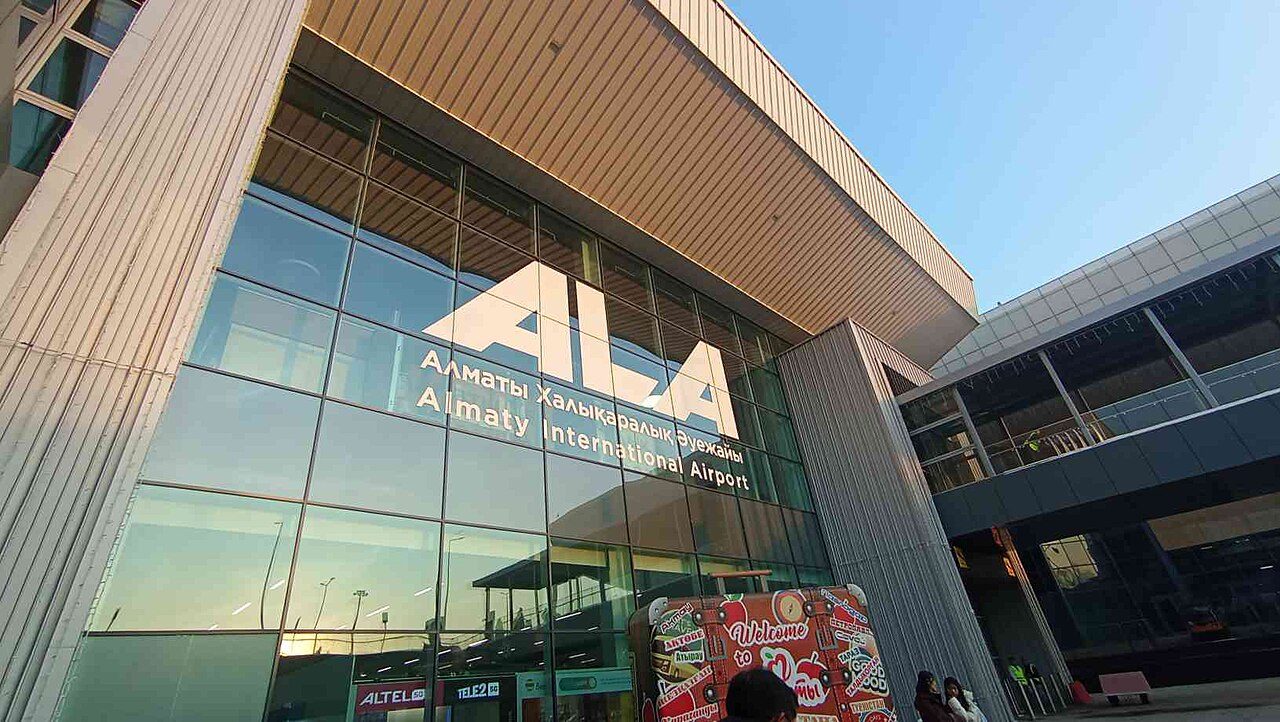
    Almaty International (ALA) sits 15 km northeast of the center; the drive runs 20–40 minutes with traffic. Order a Yandex Go (the local Uber — install it before you fly) for roughly 2,000–4,000₸ ($4–8) to the center and ignore the arrivals-hall taxi quotes of three times that, delivered with great confidence to anyone who looks fresh off a flight. SIM kiosks at arrivals sell tourist eSIM/SIM packages for a few dollars — sorted properly in our practical guides, along with the airport-to-city walkthrough in getting around.

    Moving around town

    The center is walkable (remember: uphill = toward the mountains = south). For everything else: the metro’s single line covers the spine; buses go everywhere using the Onay card or QR payment; Yandex Go rides across town rarely top a few dollars. The 12 bus to Medeu and the gondola network up the mountain are attractions in their own right. Driving in the city is for people who enjoy assertiveness training; rent cars for the day trips instead.

    Money, language, safety — the fast version

    Cards and Kaspi QR cover almost everything; keep some tenge cash for bazaars and buses. Russian is the lingua franca, Kazakh is everywhere and growing, English works in cafés and with anyone under 25 — translation apps close every gap. Safety-wise Almaty is a relaxed big city: standard night-time sense, registered ride-hail instead of street taxis, and your biggest genuine risks are sunburn at altitude and over-ordering at the bazaar. The deeper briefing (scams, water, insurance, earthquakes-yes-really) lives in safety & practical, and entry rules — 30 days visa-free for 50+ nationalities — in visas & entry.

    What things cost

    Item Typical price
    Metro or bus ride Pocket change (under $0.50)
    Specialty flat white $2–3.50
    Canteen (stolovaya) lunch $3–5
    Excellent dinner for two with wine $30–60
    Yandex ride across the center $2–4
    Arasan baths, 2 hours ~$10–15
    Shymbulak day pass ~$30–45
    Hostel bed / mid-range double $10–13 / $40–70

    Full budget math across travel styles is in our costs & budget section.

    How Many Days? Three Ready-Made Almaty Plans

    One day (the espresso shot): Panfilov Park and the cathedral at opening, Green Bazaar brunch-crawl, Central State Museum or the metro art line, Kok Tobe for sunset, dinner on Dostyk. Two days: add the full Medeu–Shymbulak half-day, Arasan Baths recovery, and an opera ticket. Three days: add Big Almaty Lake plus Sunkar in the morning, Kok Zhailau or the Soviet-modernism walk in the afternoon, Korean dinner. Got more time? That’s what the big day trips are for — and our itineraries section assembles the whole region into 5-, 7- and 10-day routes.

    Things to Do in Almaty: FAQ

    Is Almaty worth visiting?

    Yes — it’s the most enjoyable city in Central Asia to simply exist in: leafy, walkable, cheap, caffeinated, and parked under 4,000-meter peaks you can reach by city bus. Even travelers racing toward Kazakhstan’s canyons and lakes should give the city itself two full days.

    How many days do you need in Almaty?

    Two days covers the city’s classics; three adds the mountains properly. Most visitors should plan five days total and use the city as a base for Charyn Canyon and the Kolsai-Kaindy lakes — that combination is the strongest first taste of Kazakhstan there is.

    Almaty or Astana — which should I visit?

    Different species: Almaty is the warm, leafy, mountain-backed cultural capital; Astana is a windswept showcase of futurist architecture on the northern steppe. If you must choose, choose Almaty; if you can do both, fly between them (90 minutes) and enjoy the whiplash. Our Astana guides make the case for the capital.

    Is Almaty safe for tourists?

    By big-city standards, yes — visitors consistently report feeling at ease, including solo women. Use ride-hail apps rather than street taxis, keep normal late-night awareness around nightlife streets, and respect mountain weather when you head up high. That’s genuinely most of the list.

    What is Almaty famous for?

    Apples (the fruit’s genetic homeland and the city’s namesake), the world’s highest outdoor ice rink at Medeu, the wooden no-nails Ascension Cathedral, Soviet-era boulevards and architecture, and being the launchpad for Kazakhstan’s most spectacular nature.

    What’s the best time to visit Almaty?

    September–October is the sweet spot: apple season, golden trees, stable weather, and the mountains still open. May–June runs it close with blossom and green trails; winter is its own argument if Shymbulak and Medeu are the point of your trip.

    Can you see the mountains from the city center?

    On any clear day, from practically every south-facing street — the Zailiysky Alatau wall rises straight from the city’s top edge. Morning light is best; summer haze sometimes hides them by afternoon, which locals treat as a personal insult.

    Do I need cash in Almaty?

    Less than you’d think: cards and Kaspi QR codes dominate, including in most cafés and supermarkets. Keep 5,000–10,000₸ in small notes for bazaar stalls, buses without QR, and village kiosks on day trips — and break big bills at supermarkets, since stallholders greet a 20,000₸ note like an insult.

    What does “Almaty” actually mean?

    It’s usually glossed as “place of apples” — alma is apple across Turkic languages, and the Soviet-era name Alma-Ata got romanticized as “father of apples.” Pedants argue the grammar; the orchards don’t care. Given that the domestic apple’s wild ancestor still grows in the surrounding mountains, the city has the strongest naming claim of any place on Earth.

    Is Almaty walkable?

    The core absolutely is — flat-ish, gridded, shaded, with the slope as your compass. Distances grow fast beyond the center, summer afternoons cook, and anything mountain-ward climbs hard; that’s what the metro, Onay buses and $3 Yandex rides are for. Comfortable shoes, water bottle, go.

    Photo Credits & Sources

    Photos via Wikimedia Commons, used with thanks: Almaty skyline by Rok muncher (CC0); Panfilov Park memorial by Pauperunet (public domain); Ascension Cathedral by Rudolph A. Furtado (CC0); Green Bazaar by Carl Malamud (CC0); Kok Tobe cable car by Rudolph A. Furtado (CC0); Almaty metro by A. Burgermeister (CC BY-SA 3.0); Hotel Kazakhstan by Nikolay Yushnikov (public domain); Central Mosque by Igors Jefimovs (CC BY 3.0); Abai Opera House by Sofi Kan (CC BY-SA 3.0); Shymbulak slopes by Matti Blume (CC BY-SA); Big Almaty Lake by Nessi Gileva (CC0); Aport apples by Aron Ambrosiani (CC BY-SA 4.0).

    Key facts checked June 2026 against the national tourism board (kazakh.travel), Shymbulak’s official site, Almaty Metro public information, and on-the-ground reporting from recent travelers. Prices are orientation, not gospel — the tenge moves and so do menus.