Category: Best Time to Visit

  • The Best Time to Visit Kazakhstan, Month by Month

    The Best Time to Visit Kazakhstan, Month by Month

    Last updated: June 10, 2026 · Written by the Kazakhstan Tourism Guide editorial team

    Ask ten people the best time to visit Kazakhstan and you’ll get ten confident, contradictory answers — because each of them is quietly answering a different question: the best time to visit their Kazakhstan. The skier’s Kazakhstan peaks in February. The tulip-chaser’s runs on a three-week clock in late April. The hiker’s doesn’t open until the high passes shed their snow in mid-June. They’re all right, and none of them is answering for you.

    The best time to visit Kazakhstan is May to mid-June or September: warm days in Almaty and Astana, open mountain trails, green or golden steppe, and none of July’s heat or January’s minus-thirty cold. For skiing, come December to March; for the wild-tulip bloom, late April. Mangystau is best in spring and autumn.

    That’s the snippet version. The longer, more useful version is that Kazakhstan is the world’s ninth-largest country, stretching roughly 3,000 km west to east and 2,000 km north to south. Asking for its single “best month” is like asking for the best month for Western Europe — Lisbon and Helsinki would like a word. So this guide does it properly: month by month, region by region, with real temperatures for Almaty and Astana, what’s actually open, what things cost, and the honest windows we’d plan a first trip around. If you’re still sketching the trip itself, start with our full guide to things to do in Kazakhstan and the surprisingly painless Kazakhstan visa rules — most Western passports don’t need one at all.

    The Short Answer, at a Glance

    When What it’s best for What to watch
    May – mid-June The all-rounder: green steppe, warm cities, tulips early on, low(ish) crowds Highest mountain trails still snowbound; spring showers
    September Our favorite single month: everything open, golden light, apple season, summer crowds gone First cold snaps up high by late month
    July – August High-altitude hiking, alpine lakes, long days 35–40°C on the steppe and in the south/west; book mountain guesthouses ahead
    December – March Skiing at Shymbulak, skating at Medeu, snowy-city atmosphere, lowest prices Astana wind chill can pass −40°C; short days; Almaty smog
    Late April Wild tulips on the southern steppe — the original tulips, before Holland borrowed them A short, weather-dependent window; changeable skies
    Late October – November Rock-bottom prices, moody steppe The awkward gap: too cold for hiking, not yet snowy enough to ski

    Why the Best Time to Visit Kazakhstan Depends on Where You Point the Car

    Kazakhstan’s climate is sharply continental — hot summers, genuinely cold winters, and not much maritime mercy in between. The national record low is −57°C (Atbasar, up north); the record high is +49°C (Turkestan, down south). Both of those are real temperatures recorded in one country, which should tell you everything about why “when should I go?” needs a follow-up question: “where, exactly?”

    Almaty and the southeast: the year-round workhorse

    The Tien Shan foothills give Almaty the country’s most forgiving calendar. April through June and September through October are the sweet spots — mild, green, and photogenic. July and August get hot in the city (around 30°C) but that’s precisely when the high mountains above it are at their best. Winter flips the city into ski-base mode. There is no truly bad month here, which is why nearly every itinerary in our Almaty coverage works most of the year with minor tweaks.

    Astana and the north: short summer, serious winter

    Astana is the second-coldest capital city on Earth (only Ulaanbaatar beats it), and the northern steppe does winter with conviction: weeks below −20°C, wind that turns that into −40 on the skin. Come between May and September, when the city’s sci-fi skyline gets 25°C days and up to 17 hours of daylight, and the lake-and-pine country around Burabay is at its best — more on the north in our North, East & Remote guides.

    Mangystau and the Caspian west: spring and autumn only (really)

    The chalk canyons and Mars-scapes of Mangystau sit in a shadeless desert. April–May and September–October are glorious: 20–28°C days, cool nights, perfect light. In July the thermometer can pass +45°C out at Bozzhyra, and there is no tree, roof or excuse for shade within an hour’s drive. Winter brings raw wind and occasional snow. Our Mangystau & the West guides assume you’ll be sensible and come in the shoulder seasons.

    White chalk towers of Bozzhyra in the Mangystau desert at golden hour

    The Silk Road south: long seasons, scorching core

    Turkestan, Shymkent and tulip country run a longer warm season than the rest of Kazakhstan — spring arrives in March, autumn lingers into November. The catch is high summer, when 40°C afternoons make mausoleum courtyards feel like pizza ovens. March to May and September to early November are ideal; that’s also when the region’s wild tulips and poppies put on their show. See our Silk Road & the South section for the full circuit.

    The east: Altai’s brief, beautiful window

    Kazakhstan’s Altai corner — snow leopards, cedar forests, Markakol-blue lakes — only really opens from mid-June to mid-September. Outside that, snow closes the passes and logistics get expeditionary. If East Kazakhstan is on your list, it picks your dates for you.

    A note on Baikonur

    The world’s oldest spaceport follows no tourist season — launches happen year-round, and the launch schedule, not the weather, sets your dates. Viewing tours must be arranged well in advance through licensed operators, and the surrounding Kyzylorda steppe serves the full Kazakh menu: baking in July, bitter in January. If a launch lands in April–May or September, consider it the universe aligning.

    Kazakhstan’s Four Seasons, Honestly Rated

    Spring (April – mid-June): 9/10

    Spring is short, theatrical and the best argument for booking flights on impulse. The steppe goes from khaki to billiard-green in about two weeks, wild tulips and poppies carpet the south, and the cities shake off their grey. It’s also the most changeable season — a 25°C afternoon can be followed by a cold, sulking day of rain — so pack layers and patience. Late April to early June is, for our money, the closest thing to a universal answer for the whole country.

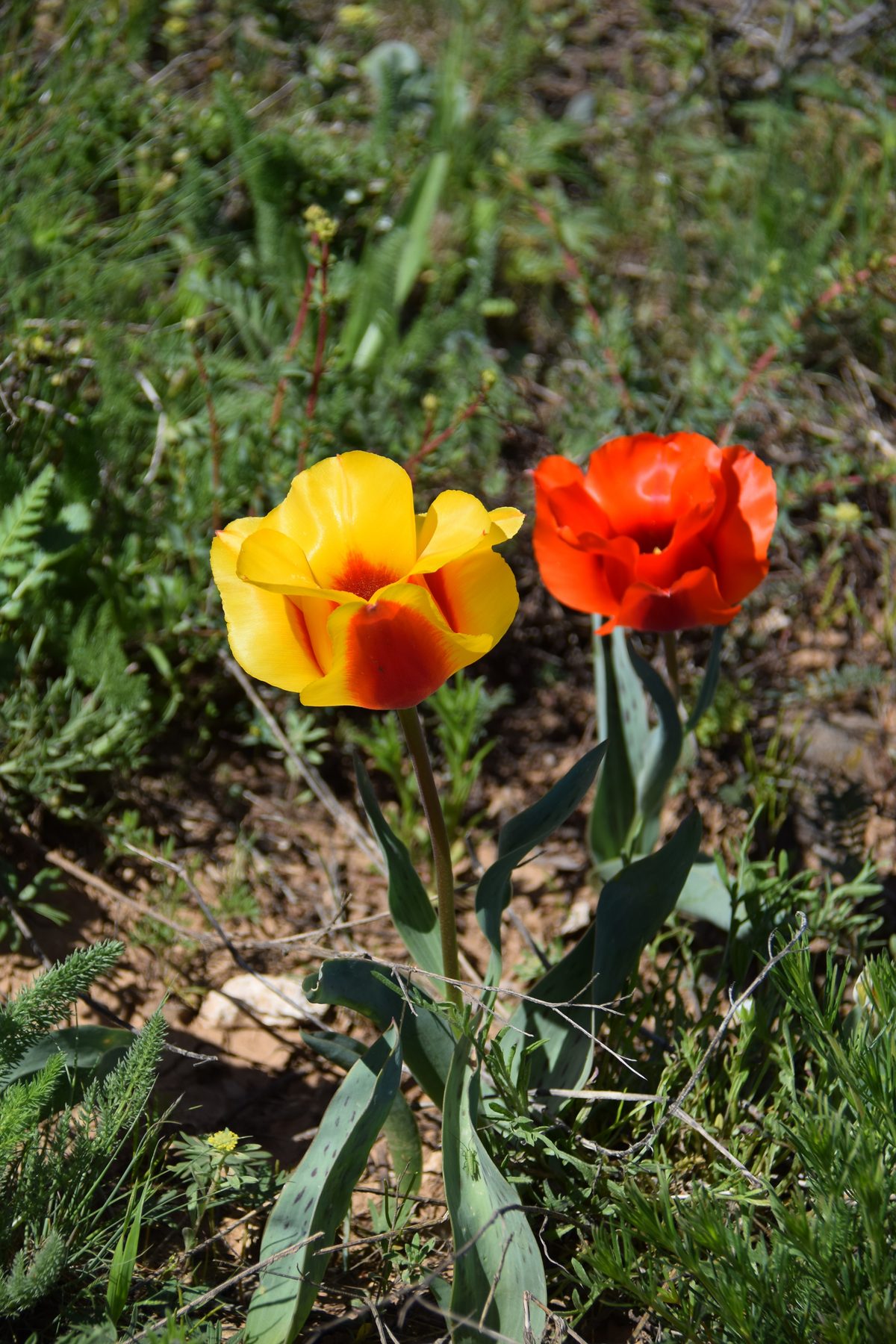
    Wild tulips blooming on the Kazakh steppe in late April

    One thing worth knowing: Kazakhstan is where tulips come from. Genetic studies trace the garden tulip’s ancestry to wild species from the Tien Shan foothills — Greig’s and Kaufmann’s tulips among them — and for a few weeks each spring whole hillsides bloom red and yellow, no ticket required. Holland commercialized the flower; Kazakhstan grew it first, and the steppe doesn’t charge admission.

    Summer (mid-June – August): 7/10, but a 10/10 in the mountains

    Summer splits the country in two. Up high — Kolsai Lakes, the trekking routes above Almaty, the Altai — it’s perfection: 20°C days, wildflower meadows, passes finally free of snow. Down low it’s a different story: Almaty city bakes at 30°C+, the western deserts hit the mid-40s, and long steppe drives become endurance sport. It’s also peak domestic-holiday season, so the popular valleys (Kolsai, Charyn, Borovoe) fill up on weekends and guesthouses genuinely sell out. Book ahead in July and August; spontaneity is a spring/autumn luxury here.

    Turquoise water of Big Almaty Lake surrounded by Tien Shan peaks in summer

    Autumn (September – mid-October): 9/10

    September might be the single best month to visit Kazakhstan, and we’ll die on this small, pleasant hill. The heat breaks, the crowds go back to work, the light turns gold, and everything — mountains, canyons, deserts, cities — is still open. Almaty’s orchards groan with aport apples (the city’s name is usually traced to “father of apples”; this is the place to eat one the size of your face). By late October the gold fades to grey-brown and the first serious cold arrives up north.

    Golden autumn in the Tien Shan mountains above Almaty

    Winter (November – March): 6/10, or 9/10 if you ski

    Here’s our honest take: steppe winter is for masochists and photographers, but mountain-and-city winter is badly underrated. Almaty in January is a proper winter city — ski lifts 25 minutes from downtown, the giant Medeu ice rink, samovars and steam. Astana in January is an achievement to be respected from indoors. Prices everywhere are at their lowest outside New Year week. If your trip is “Almaty + Shymbulak + good food”, winter isn’t a compromise at all — our whole Winter & Skiing section exists because of it.

    Kazakhstan Weather by Month: Almaty vs Astana

    These are approximate daytime highs and nighttime lows. The spread between the two cities — about 1,000 km apart — is the whole “where exactly?” argument in one table.

    Month Almaty (high/low °C) Astana (high/low °C) Quick verdict
    January 1 / −7 −10 / −17 Ski Almaty; admire Astana from indoors
    February 3 / −6 −9 / −17 Peak snow reliability at Shymbulak
    March 9 / −1 −2 / −10 Slush north, first tulips far south, Nauryz on the 21st
    April 17 / 6 10 / 0 Spring proper; tulip carpets late month
    May 22 / 11 19 / 7 Green steppe everywhere; superb
    June 27 / 15 25 / 12 Hiking season opens; 17-hour northern days
    July 30 / 18 26 / 14 Mountains yes; steppe and west, brace yourself
    August 29 / 16 25 / 12 As July; book valley guesthouses early
    September 24 / 11 18 / 6 The connoisseur’s month
    October 15 / 4 9 / 0 Golden early, grey late; Mangystau’s second window
    November 7 / −2 −2 / −9 The gap month; first ski runs at the end
    December 2 / −5 −8 / −15 Winter-city mode; cheapest beds outside New Year

    Month by Month: What Each Part of the Year Is Actually Like

    January — for skiers, sauna devotees and the unreasonably cheerful

    Deep winter. Almaty hovers around freezing with regular snow; Astana lives between −10 and −25°C with wind that edits your plans. This is peak season at Shymbulak — reliable powder, blue-sky days between storms — and the Medeu rink below it is at its atmospheric best. City culture compensates for the cold: museums, bathhouses, long plov-heavy lunches. Steppe travel is beautiful, brutal and best left to the experienced.

    Skiers on the slopes of Shymbulak ski resort above Almaty in winter

    February — the skier’s quiet favorite

    Statistically as cold as January but the days stretch noticeably, and the snowpack is at its deepest and most reliable. Lift queues thin out after the holidays, and hotel prices in both big cities sag agreeably. If skiing is the point of your trip, February is the month we’d pick — just keep a buffer day for the occasional storm that closes the upper lifts. It’s also the sleeper month for winter photography: the light lingers an hour longer than in December, the snow is still pristine, and the frosted Tien Shan backdrop behind Almaty does its best work. Non-skiers can snowshoe the Butakovka and Kimasar valleys without another soul in frame.

    March — Nauryz, slush and the first stirrings

    March is transitional and a little scruffy: thawing snow, mud, dramatic skies. The reason to come is Nauryz on March 21–22 — the Persian-rooted new year that is Kazakhstan’s biggest celebration, with yurts in city squares, mass dastarkhan feasts, traditional games and free concerts. It’s a culture deep-dive, not a weather holiday; pack waterproof boots. In the far south, the earliest wild tulips appear by late month.

    April — tulip month

    Spring arrives properly. Almaty hits the high teens, orchards blossom, and from roughly the third week of April the famous wild-tulip bloom sweeps the southern steppe — the Aksu-Zhabagly reserve (Central Asia’s oldest, founded 1926) is the classic pilgrimage, its slopes scattered with red Greig’s tulips. Charyn Canyon and Mangystau both enter their prime. The mountains above 2,500 m are still in winter; everything below is waking up fast.

    May — the all-rounder

    If you can only pick one month for a first, do-everything trip, pick May (or September — we argue about this in the office). The whole country is green and mild: 20–22°C in both capitals, poppies replacing tulips on the steppe, waterfalls at full throttle from snowmelt. Crowds are modest because Kazakhstani school holidays haven’t started. The only no-go is high-altitude trekking — passes above 3,000 m generally hold snow into June.

    June — the gates to the mountains open

    Early June still has spring’s freshness; by mid-month the hiking season opens in earnest. The Kolsai Lakes turn their implausible blue-green, the drowned forest of Lake Kaindy emerges from ice, and multi-day routes above Almaty become plausible for non-mountaineers. Days are enormous — the north gets up to 17 hours of light. It’s the best month to combine city, steppe and summit before July’s heat and crowds arrive; most of the classic day trips from Almaty are at their photogenic peak.

    Drowned spruce trunks rising from Lake Kaindy in the Kolsai Lakes region

    July — alpine perfection, lowland furnace

    July is two countries. Above 2,000 m it’s the finest month of the year: wildflower meadows, warm days, cold clean nights, every pass open. At steppe level it’s hot (Almaty 30°C+, the south and west well past 40°C) and busy — this is peak domestic-holiday season, kicked off by the Day of the Capital on July 6, a public holiday with concerts and fireworks in Astana. Go high, start hikes early, and book valley guesthouses weeks ahead.

    August — high summer, slightly softened

    Much like July, with marginally shorter days and, by the last week, the first hints of autumn at altitude. Glacial rivers run high, which makes for dramatic rafting on the Ili and Chilik. Constitution Day (August 30) adds another long weekend of domestic travel — plan around it. If you’re visiting Charyn Canyon, do it at dawn or after 4pm; the canyon floor in an August midday is a convection oven.

    September — the month we’d marry

    Everything works in September. The heat breaks to a benign 18–24°C, the larches and birches start to turn, Almaty’s markets drown in melons, grapes and aport apples (pair this with our food & drink guides and come hungry), and the summer crowds vanish overnight. Mangystau reopens for comfortable travel, the mountains stay accessible all month, and photographers get that low golden steppe light. If your dates are flexible, aim here and thank us later.

    Red rock towers of Charyn Canyon in September, one of the best times to visit Kazakhstan

    October — golden, then suddenly grey

    Early October continues September’s run: crisp air, peak fall color in the mountain valleys, perfect city-walking weather. The walk from Medeu up toward Shymbulak is at its painterly best, and the first dustings of snow on the peaks above green-gold valleys produce the photographs everyone assumes are composites. Mangystau and the Silk Road south are still lovely. Then, usually mid-month up north, the switch flips — the first real freezes, bare trees, shorter days. By Halloween the steppe has gone monochrome and the country starts its quiet six-week intermission.

    November — the gap month

    We’ll be straight with you: November is Kazakhstan’s awkward season. Too cold and brown for hiking, usually not enough snow yet for good skiing (Shymbulak typically opens its full season in late November or early December), and the weather is grey more often than dramatic. The upside is purely financial — flights and hotels at their cheapest — and city culture: opera season, museums, bathhouses, long restaurant evenings. If November is what you’ve got, base in Almaty and lean into it.

    December — lights on, gloves on

    Proper winter arrives, and the cities lean into it: holiday lights, ice sculptures, skating rinks, the festive run-up from Independence Day (December 16) through the big celebration of the year, New Year’s Eve. Skiing is usually fully open by mid-month. Astana drops to −15°C and below but looks magnificent doing it — all that glass-and-gold architecture under snow. Just know that December 28 – January 7 is the one stretch of winter when prices spike and tables need booking.

    Nur Astana Mosque under February snow in Astana, the world's second-coldest capital

    The Best Time, by What You Actually Want to Do

    You’re here for… Prime window Decent shoulder Skip
    Trekking & alpine lakes Mid-June – mid-September Late May; late September October – May (snow)
    Skiing & snowboarding December – March Late November; early April Everything else
    Wild tulips Mid-April – early May (south) Late March (far south); May (foothills) Any other time — they’re gone
    Mangystau & the west April – May; September – October March; early November June – August (45°C, no shade)
    City breaks (Almaty / Astana) May – June; September April; October; winter for Almaty Astana in deep winter, unless prepared
    Silk Road & the south March – May; September – November Winter (cold but quiet) July – August (40°C+)
    Festivals & culture Nauryz (March 21–22) July 6; August 30; mid-December onward
    Lowest prices November; late January – March Any non-holiday winter week New Year week; July – August resorts

    For hikers

    The rule of thumb: each 1,000 m of altitude pushes the season three or four weeks. Valley walks work from May; the classic lake circuits (Kolsai, Big Almaty) from June; high passes from July. September is the connoisseur’s choice — stable weather, no crowds, autumn color. Our Hiking & Adventure guides flag the season for every route we cover.

    For skiers

    Shymbulak’s season runs roughly late November to early April, with January–February the reliability peak. It’s absurd value by Alpine standards — a weekend adult day pass runs around ₺20,000 (about $40), midweek less, and you can be on the gondola 30 minutes after leaving an Almaty espresso bar. Snowboarders should also look at Ak-Bulak and Oi-Qaragai for quieter slopes.

    For the tulip pilgrimage

    The bloom moves with elevation: far-southern steppe in late March, the classic Aksu-Zhabagly and Taraz belt from mid-April to early May, mountain species into June. It’s weather-dependent and shifts by a week or two each year, so build flexibility in — and treat it like the natural event it is: no picking (many species are Red-Listed), stay on paths, hire local guides.

    For cities, museums and food

    May, June and September give you terrace weather in both capitals. Almaty is the more walkable, café-dense of the two — our guide to things to do in Almaty is built around exactly these months — while Astana’s architecture show is at its best under big blue June skies, or, for the brave, glittering under February frost; either way, our Astana guides have you covered.

    For festivals

    Nauryz (March 21–22) is the big one — spring new year, yurts and games in every city square; it anchors our Culture & Experiences section. Summer brings Day of the Capital (July 6) and a heavy outdoor-concert calendar; Astana hosted the World Nomad Games in 2024 and the ethnosport scene has only grown since. Winter’s eagle-hunting demonstrations in the Almaty region are touristy but undeniably spectacular. Check the official Kazakh Tourism events calendar for exact dates each year.

    Crowds and Costs: When Kazakhstan Is Cheapest

    Kazakhstan is affordable year-round by Western standards — budget travelers regularly report $25–35 a day, and a comfortable midrange trip runs $80–150 — but there’s still a clear seasonal curve. We break down real numbers in our Costs & Budget guides; the short version:

    • Cheapest: November and late January through March. City hotels discount heavily; Almaty midrange rooms that ask ₺45,000 in September go for ₺28,000–35,000. The exception is the December 28 – January 7 holiday spike.
    • Priciest: July–August in the mountain valleys and lake districts, where guesthouses are few and domestic demand is fierce — book Kolsai-area stays four to six weeks out — plus New Year week everywhere.
    • Best value-for-weather: May and September. Shoulder pricing, peak conditions. This is the move.
    • Transport: trains and intercity flights barely flex with the seasons, though summer berths on popular overnight routes sell out early — see Getting Around for booking lead times. Winter road trips need real planning; steppe highways close in storms.

    Crowding deserves a caveat: “peak season” in Kazakhstan is relative. Even in August, Charyn Canyon on a weekday morning holds a few dozen people, not a few thousand. The only places that ever feel genuinely busy are Shymbulak on winter weekends, the Kolsai valleys on summer Saturdays, and anywhere with a yurt during Nauryz.

    What to Pack, Season by Season

    Kazakh weather punishes optimists. Whatever the month, the packing answer is layers — but the specifics shift a lot across the year, so here’s the short version we give friends.

    Spring (April – early June)

    A waterproof shell is the non-negotiable; spring showers arrive fast and leave faster. Bring a warm mid-layer for evenings (10°C swings after sunset are standard), shoes that forgive mud, and sunglasses — the steppe light is already fierce. Tulip-chasers should add knee-friendly boots for slopes and a lens cloth for dust.

    Summer (mid-June – August)

    Think two climates in one bag: linen and a sunhat for the cities, a fleece and windproof jacket for any day that involves a gondola or a mountain lake. Sunscreen is critical at altitude. If Mangystau or the south is on the route, add electrolyte sachets, a 3-liter water capacity per person per day in the field, and clothing that covers shoulders and neck — shade is a rumor out there.

    Autumn (September – October)

    The easiest season to pack for: light layers, one warm jacket for nights, comfortable walking shoes for golden-hour city wandering. By mid-October add gloves and a hat for the north. A daypack for market hauls is not a joke — September fruit in Almaty is a structural risk to willpower.

    Winter (November – March)

    This is serious-kit territory, especially for Astana and the steppe: a real down jacket rated well below −20°C, windproof outer layer, insulated boots with grip (city sidewalks become ice rinks), thermal base layers, and a balaclava or buff for the wind. Almaty winter is milder — a good ski jacket usually suffices in town — and everything technical can be rented at Shymbulak if you’d rather not haul gear across the world.

    Timing a Multi-Country Trip: Kazakhstan and Its Neighbors

    Most first-time visitors to Central Asia string two or three countries together, and the calendars don’t perfectly overlap — worth knowing before you lock flights.

    • With Kyrgyzstan: the easiest pairing, and the seasons match. Both countries peak mid-June to mid-September for mountains; May and September work for everything else. The Almaty–Bishkek border run takes a few hours by road, so a two-week summer split is the classic play.
    • With Uzbekistan: trickier. Uzbekistan’s sweet spots are April–May and September–October — its summer is brutal in Samarkand and Bukhara. The elegant solution: Uzbekistan’s Silk Road cities in late April, then Kazakhstan as spring moves north, or both in September, when the two calendars finally agree.
    • With the whole “five Stans” circuit: September is the only month where every country on the route is simultaneously pleasant. Spring circuits work but mean hot finishes in the south; summer circuits mean cooking in Turkmenistan.

    If Kazakhstan is the anchor and the mountains are the headline, build the trip around June–September and accept warm days elsewhere; if the Silk Road cities are the headline, anchor on April–May or September–October and treat Kazakh high country as a bonus where the dates allow.

    How Far Ahead to Book What

    Kazakhstan is refreshingly last-minute-friendly by global standards, with a handful of sharp exceptions:

    • Four to six weeks ahead: guesthouses in the Kolsai/Saty valley and Borovoe for July–August weekends; anything at all for the December 28 – January 7 holiday week; Mangystau jeep tours for April–May, which run on a small pool of good drivers.
    • Two to three weeks ahead: summer overnight train berths on popular routes (Almaty–Astana, Almaty–Shymkent), city hotels for Nauryz week in March, and ski-in accommodation near Shymbulak for February weekends.
    • A few days ahead is fine: city hotels most of the year, day tours from Almaty, domestic flights outside holiday peaks, restaurants everywhere except New Year’s Eve.
    • Never needed: entry paperwork for most Western passports — though double-check the current rules in our visa guide before assuming.

    One genuine scheduling trap: domestic long weekends. Nauryz (late March), May holidays (early May), Day of the Capital (early July) and Constitution Day (late August) all send city dwellers to the same lakes and canyons you’re heading for. The sights absorb it — this is a country with room to spare — but transport and guesthouses tighten noticeably, so shift a day or two either side if you can.

    And the daylight dividend is worth planning around: northern June days run to 17 hours, which effectively gifts you an extra sightseeing day for every two on the itinerary, while December manages barely eight. A June trip and a December trip of equal length are not, in practice, the same length at all.

    The Honest Bit: When Not to Come

    Every destination guide should have this section and almost none do, so here’s ours.

    • Late October to late November is the weakest stretch of the calendar nationwide: hiking’s done, skiing hasn’t started, the steppe is brown, the skies are pewter. Come only if cheap city culture is the plan.
    • March outside Nauryz week is mud season — the thaw makes unpaved roads (and Mangystau jeep tracks) genuinely difficult.
    • July and August in the west and far south. Mangystau at +45°C is not an adventure, it’s a liability; Turkestan’s courtyards radiate like kilns. See those regions in spring or autumn instead.
    • Deep January on the northern steppe unless you’re equipped and experienced — this is −30°C, wind-scoured, beautiful, unforgiving country.
    • A quieter caveat: Almaty’s winter smog. The city sits in a basin, and on still January days a temperature inversion traps coal smoke over the lower districts. Mountain days sparkle above it; sensitive lungs should plan accordingly.

    Five Weather Quirks Nobody Warns You About

    • The day-night whiplash. Continental climate means 15-degree swings between afternoon and midnight are routine, even in July. There is no month in Kazakhstan when you don’t need a jacket somewhere in the bag.
    • Astana’s wind is a personality. The city was built on open steppe and the wind never forgets it. A −15°C day reads −30 with wind chill; locals dress for the second number. So should you.
    • Altitude resets the season. Almaty to Shymbulak is a 25-minute gondola ride and roughly a ten-degree temperature drop. City T-shirt weather in June is still fleece weather at Big Almaty Lake.
    • Early-summer mosquitoes up north. The lake belt around Burabay breeds enthusiastic mosquito squadrons in June and early July. Repellent costs ₺1,500 at any pharmacy; carry it.
    • The mountain sun cheats. Thin air, high UV — you will burn at 2,500 m in April while standing in snow. Sunscreen is a winter item here too.

    Best Time to Visit Kazakhstan: FAQ

    What is the best month to visit Kazakhstan?

    September, by a nose over May and June. Every region is open and comfortable, summer crowds and prices drop, the light is extraordinary, and Almaty’s markets hit peak harvest. May wins if you want green steppe and wildflowers; June if high-altitude hiking is the priority. Skiers should ignore all of this and book February.

    How many days do you need in Kazakhstan?

    Seven to nine days covers the classic first trip well: three or four for Almaty and its day trips (Charyn, Kolsai, Kaindy), a day or two for Astana, and a buffer for the distances. Add three days for a Mangystau expedition or a Turkestan Silk Road leg. A worthwhile taster is possible in four or five days based in Almaty.

    What is the cheapest time to visit Kazakhstan?

    November and the late-January-to-March window, when city hotels discount 25–40% and tours are quiet — avoiding the December 28 to January 7 New Year spike. For the best cost-to-weather ratio, though, May and September beat true off-season: shoulder prices with prime conditions, in a country that’s inexpensive to begin with.

    Is Kazakhstan worth visiting in winter?

    For an Almaty-based trip, absolutely: reliable skiing at Shymbulak twenty-five minutes from downtown, the Medeu high-altitude ice rink, bathhouse culture and the cheapest hotel rates of the year. Astana in winter is striking but demands serious cold tolerance, and steppe or desert travel is best left for the warmer months.

    Is summer too hot in Kazakhstan?

    In the mountains, never — July and August are ideal at altitude, around 20°C with open passes. Cities run hot (Almaty 30°C+, manageable; Shymkent and Turkestan 38–42°C, punishing), and Mangystau’s deserts pass +45°C with zero shade — genuinely dangerous for midday exploring. Plan summer trips around elevation and you’ll be comfortable.

    When do the wild tulips bloom in Kazakhstan?

    Late March in the far south, peaking mid-April to early May around Shymkent, Taraz and the Aksu-Zhabagly reserve, with high-meadow species flowering into June. The window at any single site lasts two to three weeks and shifts yearly with the spring weather, so build in flexibility and confirm conditions locally before driving out.

    Is Nauryz a good time to visit?

    For culture, yes — March 21–22 is Kazakhstan’s biggest festival, with yurts, traditional games, music and free food in every city square, and an infectious public mood. For weather, no: expect slush, mud and anything from 15°C sunshine to snow flurries. Come for the celebration, keep itinerary ambitions modest, and pack waterproof boots.

    Final Thoughts

    If we had to compress five thousand words into one sentence: come in May, June or September unless snow or tulips are the whole point, in which case come exactly when the snow or tulips are. Kazakhstan rewards travelers who match the month to the mission more than almost anywhere we cover — the same country serves alpine summer, desert spring and white winter, just never all in the same week. Pick your window, then build the rest with our ready-made itineraries — and if you’re still deciding what the mission even is, the master list of things to do in Kazakhstan is the place to start dreaming.

    Photo Credits & Sources

    All photographs via Wikimedia Commons, used under their respective licenses:

    • Bozzhyra observation point, Mangystau — IvarT, CC0
    • Wild tulip on the Kazakh steppe — Carole a, CC BY-SA 3.0
    • Big Almaty Lake — Nessi Gileva, CC0
    • Autumn in the Tien Shan above Almaty — Exxocette, CC BY-SA 4.0
    • Shymbulak ski resort — Matti Blume, CC BY-SA
    • Lake Kaindy — Katariyakartikey, CC0
    • Charyn Canyon — Bgag, CC0
    • Nur Astana Mosque in February — Ilya Varlamov, CC BY-SA 4.0

    Climate figures are approximate long-term averages compiled from public climate normals (Kazhydromet data as summarized by Climates to Travel); festival dates per the official Kazakh Tourism portal. Conditions vary year to year — check forecasts close to travel.