Contents
- Do Kazakhs really eat horse meat?
- Why horse meat matters in Kazakhstan
- Is horse meat halal?
- The horse-meat glossary: every product explained
- How horse meat is prepared
- How horse meat is served
- What does horse meat taste like?
- Is horse meat healthy?
- Where and how to try it as a traveller
- A more sustainable meat?
- For squeamish first-timers: a kind word
- Can you take kazy home?
- Frequently asked questions
- Final thoughts
For a lot of Western visitors, horse meat is the one that gives them pause. I understand it — I grew up thinking of horses as pets, not dinner. But a few trips here taught me that in Kazakhstan the question isn’t “how could you?” so much as “why wouldn’t you?” Horse is a food of honour on the steppe, tied up with hospitality, history and pride. This is a calm, respectful guide to what it is, why it matters, and how to try it if you’re curious.
Yes, Kazakhs eat horse meat — and it’s a prestigious, celebratory food, not a novelty or a hardship. Rooted in thousands of years of nomadic life, horse appears as cured sausages like kazy and karta, as cuts like zhaya and zhal, and in the national dish, beshbarmak. It’s leaner and slightly sweeter than beef, and it’s offered to guests as a genuine mark of respect.

Do Kazakhs really eat horse meat?
They do, and it’s completely normal — not a shock, not a stunt, not something reserved for the desperate. Horse is woven into the everyday and the ceremonial alike, from a cold platter of sliced sausage at a family gathering to the meat in a wedding beshbarmak. It’s a respected, often expensive meat, and being served it is a compliment. If you take one thing from this guide, let it be that: in Kazakhstan, offering you horse is an act of generosity, and it’s worth meeting in that spirit. It sits at the centre of the wider Kazakh food tradition rather than at its fringes.
Why horse meat matters in Kazakhstan
Thousands of years with the horse
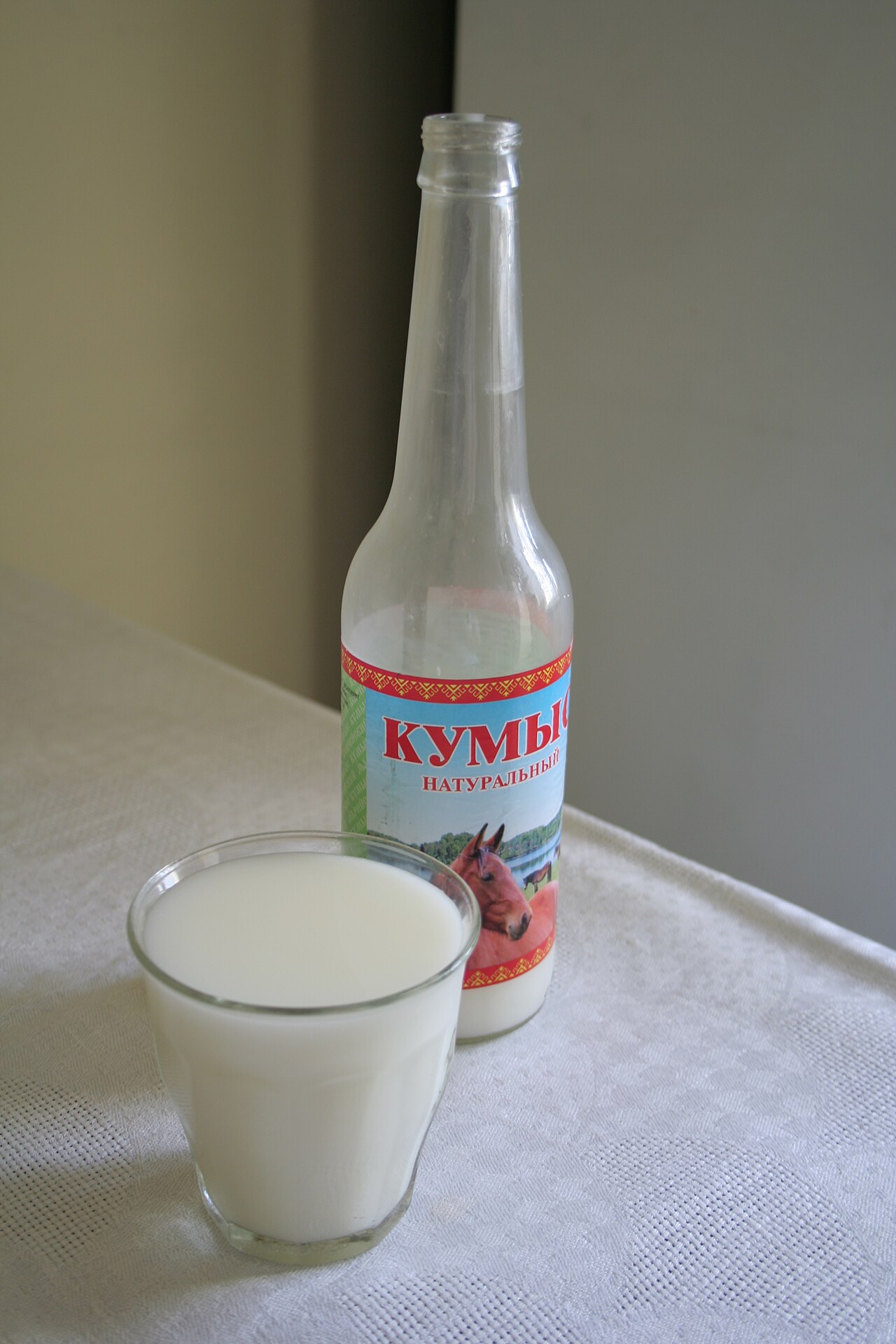
The relationship between Kazakhs and horses is ancient — this is, after all, part of the world where horses were first domesticated, millennia ago. For nomads, the horse was transport, wealth, companion, a source of milk (fermented into kumis) and, yes, meat. Reverence and consumption aren’t in tension here; they’re two sides of a very old, very practical bond. Kazakhs love and honour horses and eat them, much as other cultures do with cattle. It’s the same logic that lets a cattle-ranching culture elsewhere both prize its animals and sell their meat. The Kazakh horse itself is a hardy breed shaped over centuries for both meat and milk — thick-coated, tough, able to paw through snow to graze in deep winter — and that resilience is part of why the whole tradition endured where it did.
One of the four sacred livestock
Traditional Kazakh culture speaks of the tört tülik mal — the four kinds of livestock: horse, camel, cattle and sheep. Horse and camel are the festive, prestigious meats; sheep and cattle the everyday. That framing tells you where horse sits: near the top, the meat you bring out when it matters.
Reverence and the plate, side by side
It’s worth sitting with the apparent paradox, because it’s the thing Western visitors find hardest. Kazakhs genuinely revere horses — the horse is a national symbol, celebrated in games like kokpar, in eagle-hunting on horseback, in poetry and pride. A cherished saddle horse is often not eaten at all but left to live out its days in the herd. Meat horses are a different category, raised for the purpose, much as cattle are elsewhere. There’s no contradiction in the Kazakh view: you can love and honour an animal that is also, in its place, food. Once you see it that way, the whole tradition makes a quiet kind of sense.
A winter meat
There’s a practical reason horse became so prized, too. Horse fat resists freezing and keeps beautifully, which made cured horse products the ideal food for long, brutal steppe winters and long journeys. The traditional slaughter-and-preserve season, soğym, falls in early winter, when families lay down kazy and other cured meats to see them through the cold — a rhythm that still shapes when the best horse products appear. If you visit in the colder months, you’re arriving at the tail of curing season, when the cured meats are freshest and most plentiful.

Is horse meat halal?
This is a fair and common question, and the honest answer is nuanced. Kazakhstan is a majority-Muslim country, and for the great majority of Islamic scholars horse meat is permissible (halal), supported by traditions from the Prophet’s era. Within the Hanafi school that Kazakhs largely follow, there’s a well-known subtlety: the school’s founder, Abu Hanifa, is reported to have regarded it as mildly disliked rather than forbidden, while his two principal students ruled it plainly permissible — and the everyday, lived position in Kazakhstan is firmly that horse is halal and good to eat. Animals are slaughtered according to halal practice. In short: it is not haram, and Kazakhs eat it with a clear conscience and considerable pride. If you keep halal yourself and have questions, it’s a topic locals are happy to discuss.
The horse-meat glossary: every product explained
Horse meat isn’t one thing — it’s a whole charcuterie tradition. Here’s what you’ll actually meet.
Kazy (qazy)
The famous one. Kazy is a sausage made from horse rib meat and fat, seasoned with garlic, salt and pepper and packed into a natural casing, then boiled, smoked or dried. Sliced, it reveals a distinctive ring of dark meat and pale fat. It’s laid over festive beshbarmak and served as a cold appetiser, and it’s genuinely delicious — leaner and more delicate than the idea of it sounds. It’s ranked among the world’s notable sausages, and rightly so.
Shuzhyk (shuzhuk)
A close cousin of kazy, shuzhyk is a smoked-and-dried horse sausage that can be made from various cuts rather than just the ribs, so it’s often firmer and less tender. Historically it was a delicacy only wealthier families could afford, and it remains a centrepiece of the cold-cut platter. Where kazy is the refined, rib-and-fat classic, shuzhyk is the heartier, more rustic sausage — both belong on a proper spread.
Karta (qarta)
For the adventurous: karta is a cured or boiled section of the horse’s large intestine, rich and fatty, prized precisely for its unctuous texture. In a well-fed horse the karta is marbled with fat. It’s an acquired taste even for some Kazakhs, but a respected one — if a host offers it, they’re sharing something they consider special, so a small taste is a nice gesture even if it’s not your thing.
Zhal
Zhal is the layer of fat from under the horse’s mane, along the crest of the neck — smoked and sliced thin, served alongside the leaner cuts. Think of it as the steppe’s answer to cured fatback: rich, meant to be eaten in small slices with the meatier products.
Zhaya
Zhaya is the horse’s hip and rump meat, salted, dried and smoked. It’s dense and clean — no sinew — which makes it especially prized, usually boiled and served in thin slices. If kazy is the everyday festive sausage, zhaya is the premium roast — the cut a host might bring out to honour an important guest, sliced thin and served with quiet pride.
Sur-et
Sur-et (sür-et) is air-dried, salt-cured horse meat made for winter storage — the jerky-like end of the tradition, concentrated and long-keeping, born of the need to preserve the autumn slaughter through the cold months. On a long steppe journey or a deep-winter month, a saddlebag of sur-et was survival food — dense, salty, and impervious to the cold. You’ll still see it sold at bazaars, especially in the colder half of the year.
How horse meat is prepared
The craft behind these products is real. Traditionally, families slaughter in early winter (the soğym), butcher carefully, and turn the animal into a larder that will last: rib meat and fat cased into kazy, rump salted and smoked into zhaya, neck fat cured into zhal, trimmings dried into sur-et. Curing, salting, smoking and drying all serve the same old purpose — making the meat keep through months of cold without refrigeration. The sausages are often boiled long and slow (two hours or more) before serving, which is why a slice of kazy is tender rather than tough. Much of this still happens at home in rural Kazakhstan, and a family’s cured horse meat is a point of pride, offered to guests as the best the household has to give.
How horse meat is served
You’ll most often meet horse in two settings. First, as part of a cold-cut platter on the dastarkhan — the laden table of a celebration — where slices of kazy, shuzhyk, zhaya and zhal are arranged as appetisers before the hot food. Second, in beshbarmak, the national dish, where boiled horse meat sits over wide noodles and rings of kazy are laid on top for a festive version. At the most formal feasts, the honoured guest is presented with the boiled head of the animal and shares out symbolic pieces — a ritual we cover in our guides to Kazakh culture. Horse is company food, sharing food, honour food.

What does horse meat taste like?
Milder and cleaner than you’re probably imagining. Lean cuts are slightly sweet, a little gamey in the way that elk or moose can be, and less fatty than beef except where the dish deliberately adds fat (as kazy and zhal do). Minced or in beshbarmak, it reads a lot like a clean, mild beef. The cured sausages are where it gets characterful — fragrant, savoury, distinctive. If you like good charcuterie, kazy is an easy yes; if you’re nervous, start there rather than with karta. A useful mental model: approach horse the way you’d approach a new cured meat at a good deli — with an open mind and a small first slice — rather than as a dare. Most people who try kazy expecting to endure it are surprised to find they simply like it.
Is horse meat healthy?
You’ll hear it praised as a health food, and there’s some substance to it, but it’s worth keeping measured. Studies and comparisons generally find horse meat to be lean, high in iron, and lower in cholesterol than beef, and some research has reported cholesterol benefits from horse-meat diets. Traditionally, Kazakhs credit it with warmth, strength and vitality — lovely folklore, best enjoyed as culture rather than medicine. Treat it as what it is: a lean, flavourful red meat with a long, proud history. Enjoy it for the taste and the experience, and let the health claims be a pleasant footnote. If anyone tells you kazy will keep you strong into your nineties, smile and take another slice — that’s the folklore talking, and it’s part of the fun.
Where and how to try it as a traveller
At the bazaar
The most vivid place to meet horse meat is a bazaar meat hall — Almaty’s Green Bazaar above all, where kazy, shuzhyk and cuts hang in rows and vendors will slice you a taste. Buying a little to sample is easy, and it’s a great way to see the range. Our street food and bazaar guide has more on navigating it.

At a restaurant
Traditional-cuisine restaurants in Almaty and Astana serve horse in beshbarmak and on cold-cut platters — an easy, comfortable way to try it with a fork rather than committing to a whole sausage. See our best restaurants in Almaty guide for starting points.
In a Kazakh home
The finest way, if hospitality gives you the chance, is at someone’s table, where the horse products are likely home-cured and served with obvious pride. Accepting graciously is the whole point. A home-cured kazy, made by the family from their own soğym, is horse meat at its absolute best, and being offered it means you’ve been genuinely welcomed. If that happens to you, say yes — it’s an honour you’ll remember long after the meal.
What it costs
Horse is generally a premium meat, so expect kazy and the cured cuts to cost more per kilo than beef or mutton at the bazaar, and horse beshbarmak to sit at the higher end of a restaurant menu. Prices move, so treat anything you read as a rough guide and our trip cost guide for the wider picture.
A more sustainable meat?
There’s an angle here that often surprises Western visitors. Kazakhstan’s meat horses aren’t factory-farmed; they graze semi-wild across huge tracts of steppe, foraging year-round and surviving temperatures that would floor most livestock, with little of the intensive feed and infrastructure that industrial beef relies on. Observers have pointed out that this makes horse a comparatively low-input, free-ranging source of protein — the animals largely feed themselves on land that’s good for little else. That’s not a reason to eat horse if you’d rather not, and it isn’t a formal environmental claim; it’s simply worth knowing that the tradition grew from a genuinely efficient way of turning open grassland into food. For a culture that spent millennia reading the carrying capacity of the steppe, nothing was wasted, and the horse was central to making a hard land habitable.
For squeamish first-timers: a kind word
If the whole idea unsettles you, that’s okay, and nobody here will judge you for it. A few reassurances. You will never be served horse without knowing — it’s a named, often prized ingredient, not something slipped onto your plate, and mutton and beef versions of everything are common. If you’d rather not, a polite “no thank you” is completely fine, and at a formal meal you can taste a small piece to honour the offer and leave the rest. The Western “horsemeat scandal” reflex — the outrage over horse being passed off as beef — really doesn’t apply here, because there’s no deception involved: horse is celebrated openly, by name. Curiosity is welcome; so is a respectful pass. Either way, you’ll have understood something real about the place.
Can you take kazy home?
Tempting, but be careful. Most Western countries — the EU, the US and others — heavily restrict or prohibit bringing meat products, including cured horse sausage, across the border in your luggage for personal use. The rules are strict and the penalties real. The honest advice is to enjoy kazy and the rest to the full while you’re in Kazakhstan, and not to try to smuggle a souvenir sausage home. Check your own country’s customs rules before you even consider it.
Frequently asked questions
Do Kazakhs eat horse meat?
Yes, commonly and proudly. It’s a prestigious, celebratory meat rooted in nomadic tradition, eaten as cured sausages like kazy and in the national dish beshbarmak. It’s offered to guests as a mark of respect, not served as a novelty or a last resort.
Why do Kazakhs eat horse meat?
Because horses have been central to steppe life for thousands of years — a source of transport, wealth, milk and meat. Horse fat keeps well through harsh winters, which made cured horse products vital, and the meat became associated with honour and celebration. Reverence for horses and eating them coexist naturally here.
What is kazy made of?
Kazy is a sausage of horse rib meat and fat, seasoned with garlic, salt and pepper, packed into a natural casing and then boiled, smoked or dried. Sliced, it shows a ring of dark meat and pale fat. It’s served cold as an appetiser and laid over festive beshbarmak.
Is horse meat halal?
For the majority of Islamic scholars, yes, and in Kazakhstan horse is eaten as halal food with pride. There’s a Hanafi-school nuance — the founder viewed it as mildly disliked while his students ruled it permissible — but the lived, everyday position is that it’s halal. Animals are slaughtered according to halal practice.
What does horse meat taste like?
Lean, clean and slightly sweet, a little gamey like elk or moose, and less fatty than beef in its lean cuts. Minced or in beshbarmak it resembles a mild beef; the cured sausages (kazy, zhaya) are more fragrant and distinctive. If you enjoy charcuterie, kazy is an easy place to start.
Is it rude to refuse horse meat in Kazakhstan?
Not if you do it graciously. You’ll always know when horse is offered, and a polite decline is fine. At a formal meal, tasting a small piece to honour your host’s generosity, then leaving the rest, is the tactful middle path. Hosts appreciate a genuine, good-humoured try far more than they mind a preference.
Which country eats the most horse meat?
Kazakhstan is among the world’s largest horse-meat consumers per head, alongside a handful of other countries, and domestic demand here has at times outstripped local supply. It’s genuinely mainstream food, not a niche curiosity, which is a big part of why it’s so openly celebrated rather than hidden.
Final thoughts
Horse meat is one of the clearest windows into who Kazakhs are: a people shaped by the horse, generous to guests, proud of a cuisine that turned a hard nomadic life into something worth celebrating. You don’t have to love it, and you don’t have to eat it. But if you can set aside the reflex and try a slice of good kazy at a bazaar or a home table, you’ll taste centuries of steppe history — offered to you, as it always has been, as a mark of welcome. Meet it with curiosity and respect, and it’ll be one of the more memorable things you eat here.
Photo credits
- Kazy on beshbarmak — Muzaffar Murodovich, CC BY-SA 4.0, via Wikimedia Commons
- Kazakh eagle hunter on horseback — Altaihunters, CC BY-SA 3.0, via Wikimedia Commons